January has a way of showing up loudly, forecasts flying in every direction, confident declarations about what will happen next, and no shortage of anxiety or bravado. Turn on the news or scroll through your feed, and you'll find a thousand opinions about where the market is heading.
We prefer to start somewhere quieter: what holds up even if the predictions miss the mark?
When decisions are rooted in fundamentals rather than headlines, there's less urgency to react and more room to move with purpose. Calm replaces noise. Discipline replaces guesswork. The better question isn’t “what’s the market going to do next?” It’s “what holds up either way?”
The Ground Beneath You
It's worth pausing to reflect on this personally: would placing capital in something steady, thoughtfully managed, and built for durability change how you feel about your financial picture?
For many investors, true confidence doesn't come from chasing upside, it comes from knowing the ground beneath you is solid.
Cash flow remains central. In any market environment, reliable cash flow creates breathing room. It allows flexibility, reduces dependence on perfect timing, and keeps decisions from being driven by pressure. If an opportunity doesn't make sense under conservative assumptions, and if it's not something you'd be comfortable holding for many years, it's simply not worth pursuing.

This principle gets tested anytime you pressure-test a deal with real assumptions and honest downside scenarios. Ask the hard questions:
- Does it cash flow today with conservative rents and expenses?
- What happens if rates stay elevated or insurance/taxes jump?
- Can you hold it through a rough patch without being forced to sell?
These aren't theoretical exercises. They’re the filters that separate sustainable portfolios from shaky ones.
The Long View
The idea is hardly new. Long-term ownership has always been a reliable filter for sound investing. Looking at assets through a decade-long lens quickly exposes what's built on substance and what's built on hope.
Reviewing your own holdings through that same lens can be revealing.
The investors who've built real wealth aren't the ones who flipped their way to the top or timed the market perfectly. They're the ones who bought well, managed thoughtfully, and held through multiple cycles. They understand that durability beats brilliance almost every time.
It also helps to pressure-test your thinking with people who’ve been through downturns, rate hikes, and unexpected pivots. You get perspective rooted in experience: what worked, what didn’t, and why. That kind of feedback loop is hard to quantify, but it changes how you evaluate risk and opportunity.
Debt Deserves Equal Respect
Here’s the reality: debt is not a footnote; it’s structural. Financing choices often determine outcomes more than the properties themselves. Many portfolios don't fail because the asset was flawed, but because the debt was brittle.
Sensible leverage, clear terms, and downside protection matter just as much as location or purchase price. The quality of a deal is inseparable from the quality of its financing.

Good financing isn't about getting the lowest rate. It's about getting terms that align with your hold strategy, cash flow projections, and risk tolerance.
The wrong debt structure can turn a good property into a nightmare. The right one gives you runway to execute your plan, even when conditions shift. Pay attention to:
- Term length vs. your timeline (rehab, stabilization, refinance, or long hold)
- Rate structure (fixed vs. adjustable, interest-only periods, resets)
- Fees and extension options (what happens if the project runs long?)
- DSCR and reserves (can the deal survive vacancy or a rent drop?)
- Refinance assumptions (capex, seasoning, appraisal risk, and exit options)
Execution Is Where Results Are Earned
The unglamorous work, improving operations, managing expenses, enhancing the resident experience, and refining systems, is what compounds quietly over time. It rarely draws attention, but it's where lasting value is created.
Doing fewer things well has always outperformed doing many things halfway.
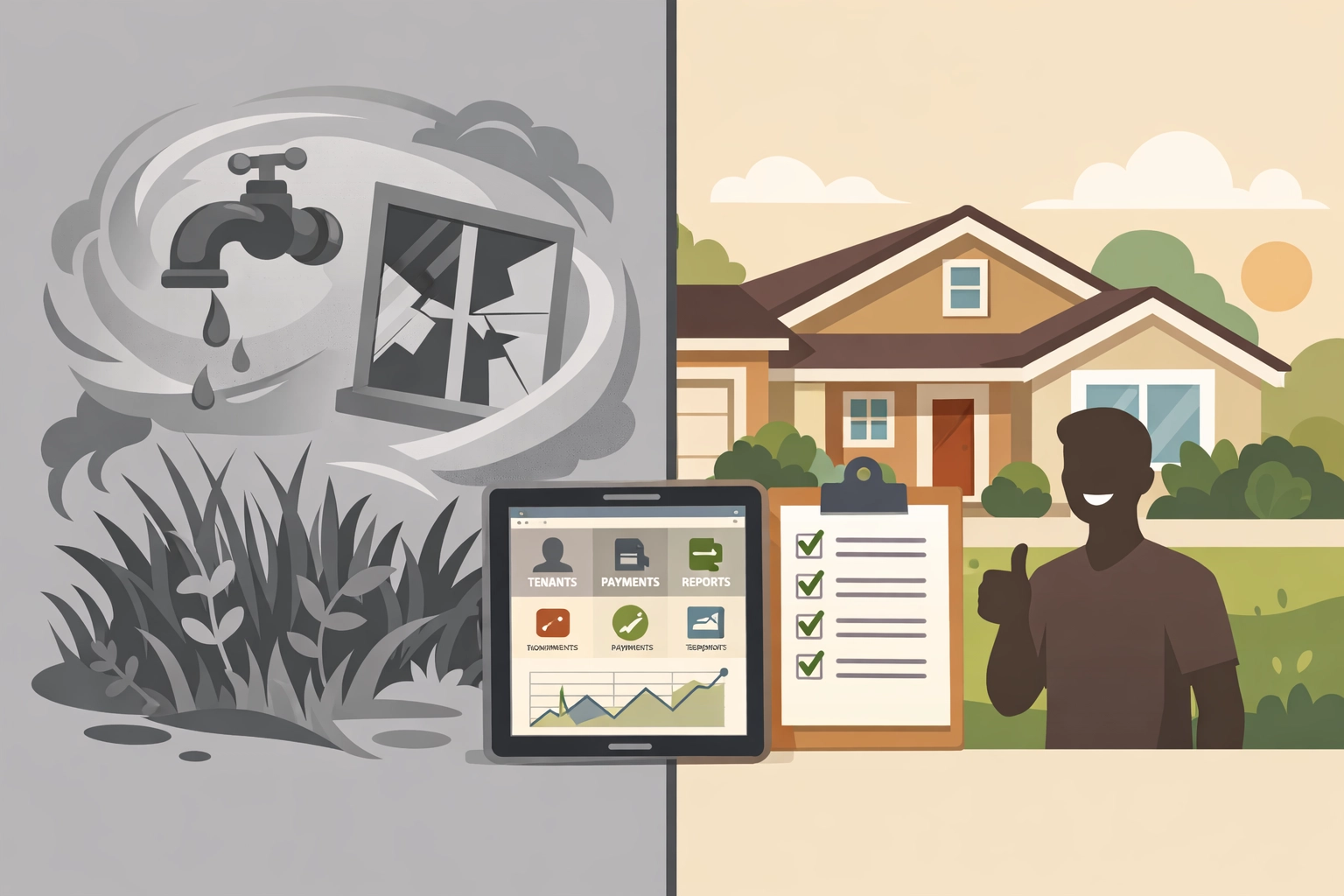
This is the part of real estate that separates hobbyists from business owners. It's not sexy. It's tracking maintenance costs, building relationships with reliable contractors, implementing tenant retention strategies, and consistently improving your property management systems.
Investors using solid property management systems and reliable partners aren't doing it for fun, they're doing it because execution compounds. Small improvements in vacancy rates, maintenance costs, or tenant quality add up to massive differences in returns over time.
And when things go sideways, and they will, the investors with tight operations and strong relationships come out ahead. That's not luck. It's preparation meeting opportunity.
Alignment Matters
In fields where trust is essential, the guiding principle has long been that those being served come first. Applied to investing, that belief shapes how incentives are structured and how stewardship is practiced. When outcomes are tied to performance and long-term care rather than short-term rewards, better decisions follow.
Excellence, patience, and responsibility tend to reinforce one another.
Alignment shows up in how you structure decisions and incentives so the property (and the resident experience) doesn’t get sacrificed for short-term wins. When outcomes are tied to performance and long-term care rather than quick rewards, better decisions follow.
Alignment also means building a feedback loop around your investing. Whether that comes from a trusted partner, a mentor, or a small circle of investors, it matters. Sitting next to someone who's solved the exact problem you're facing changes your decision-making. You ask better questions. You avoid more mistakes. You move with more confidence because you’re not doing this in a vacuum.
Why Now?
None of these principles are novel. In many ways, they reflect how things have always been done when they're done well. And looking ahead, those time-tested principles remain just as relevant as ever.
Markets cycle. Headlines change. Interest rates move up and down. But the fundamentals: cash flow, smart financing, operational excellence, and long-term thinking: always hold.
The question isn't whether real estate is a good investment. The question is whether you're approaching it with the right mindset, the right numbers, and the right discipline.
Because at the end of the day, the best investment you can make isn't a property. It's the knowledge, relationships, and discipline that help you choose the right properties: and manage them well for the long haul.