Getting started in real estate within Middle Tennessee can feel a bit like trying to board a moving train. With the rapid growth we’ve seen across Nashville and the surrounding counties, many new investors worry they’ve missed the boat or that the "barrier to entry": primarily the cash required: is simply too high.
At REIN, we talk to people every week who are sitting on the sidelines because they think they need $100,000 in the bank just to make their first move. We’re here to tell you that’s not the case. While traditional 20% down conventional loans are a great tool, they aren't the only way to build a portfolio in this market.
To succeed today, local investors are turning toward "creative financing." This isn't about "get rich quick" schemes; it’s about using different financial levers to acquire property, preserve your cash, and scale faster. Here is our guide to mastering these strategies in the current Middle Tennessee market.
The State of the Middle Tennessee Market
Before we dive into the "how," let’s look at the "where." Nashville remains a powerhouse for long-term buy-and-hold strategies due to our diverse economy and steady job growth. However, the core of the city has become incredibly competitive.
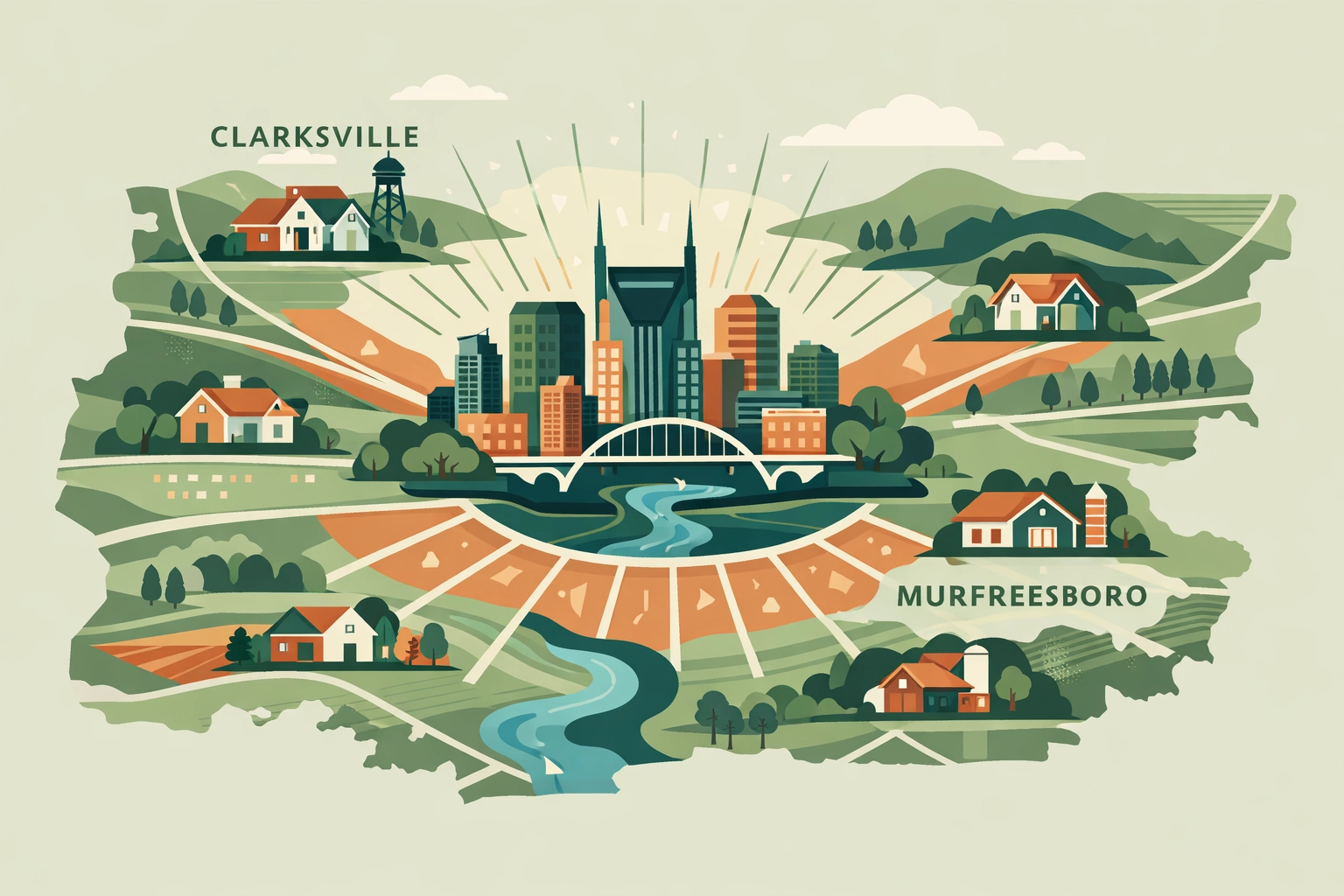
For beginners, we often see better cash flow opportunities by looking just outside the immediate Nashville zip codes. Areas like Clarksville, Murfreesboro, and Columbia offer more accessible entry points while still benefiting from the region's overall appreciation. For example, while a three-bedroom rental in Nashville might fetch $2,300 a month, your cash-on-cash return might be higher in a secondary market where the purchase price is significantly lower.
1. House Hacking: The "Low-Down" Secret
If you are looking for the absolute best way to start, house hacking is it. This strategy involves buying a primary residence with 1-4 units, living in one part, and renting out the others.
In Middle Tennessee, this is particularly effective if you find a property with an Accessory Dwelling Unit (ADU): a common sight in neighborhoods like East Nashville or Madison. By using an FHA loan, you can put as little as 3.5% down. On a $400,000 property, that’s $14,000 instead of the $80,000 you’d need for a traditional investment loan.
The beauty of this approach is that your tenants essentially pay your mortgage. This allows you to live for free (or close to it) while you save for your next investment.
2. Leveraging DSCR Loans
For those who already own a home or don't want to move, Debt Service Coverage Ratio (DSCR) loans are a game-changer. Unlike conventional loans that look at your personal income, W-2s, and debt-to-income ratio, a DSCR loan looks at the property itself.
If the projected rent covers the mortgage payment (the "debt service"), the lender is often willing to fund the deal. This is a favorite for self-employed investors or those who have "maxed out" their personal borrowing capacity. Many of our local lending partners at REIN specialize in these products because they understand that a property’s performance is often more important than the borrower’s tax returns.
3. Using Home Equity (HELOCs)
Many homeowners in Middle Tennessee are sitting on a goldmine of equity thanks to the appreciation of the last five years. Instead of selling your home to access that cash, you can use a Home Equity Line of Credit (HELOC).
Think of a HELOC as a revolving credit card secured by your house. You can draw from it to cover a down payment on an investment property, renovate a fixer-upper, and then pay it back once the property is refinanced or producing cash flow. It’s a practical way to use the "dead money" in your walls to fund your future.

4. Seller Financing and "Subject To"
In a market where interest rates can fluctuate, seller financing is becoming a hot topic at our monthly meetings. This happens when the person selling the house acts as the bank. You make monthly payments directly to them instead of a mortgage company.
Why would a seller do this? They might want a steady monthly income without the headache of property management, or they might want to spread out their capital gains tax hit over several years.
Similarly, "Subject To" involves taking over the seller's existing mortgage payments. In a world where many homeowners have locked-in rates at 3% or 4%, being able to "wrap" that existing low-interest debt can make a deal work that would otherwise be impossible with today's bank rates.
The Financial Foundation: Taxes and Reserves
Creative financing requires a higher level of financial literacy. You can't just "wing it." One of the most critical members of your team will be a tax professional who understands real estate.
We always recommend working with someone like Michelle Salyer, CPA, who understands the nuances of depreciation, 1031 exchanges, and how creative financing structures affect your tax liability. Using creative debt without a plan for the IRS is a recipe for trouble.
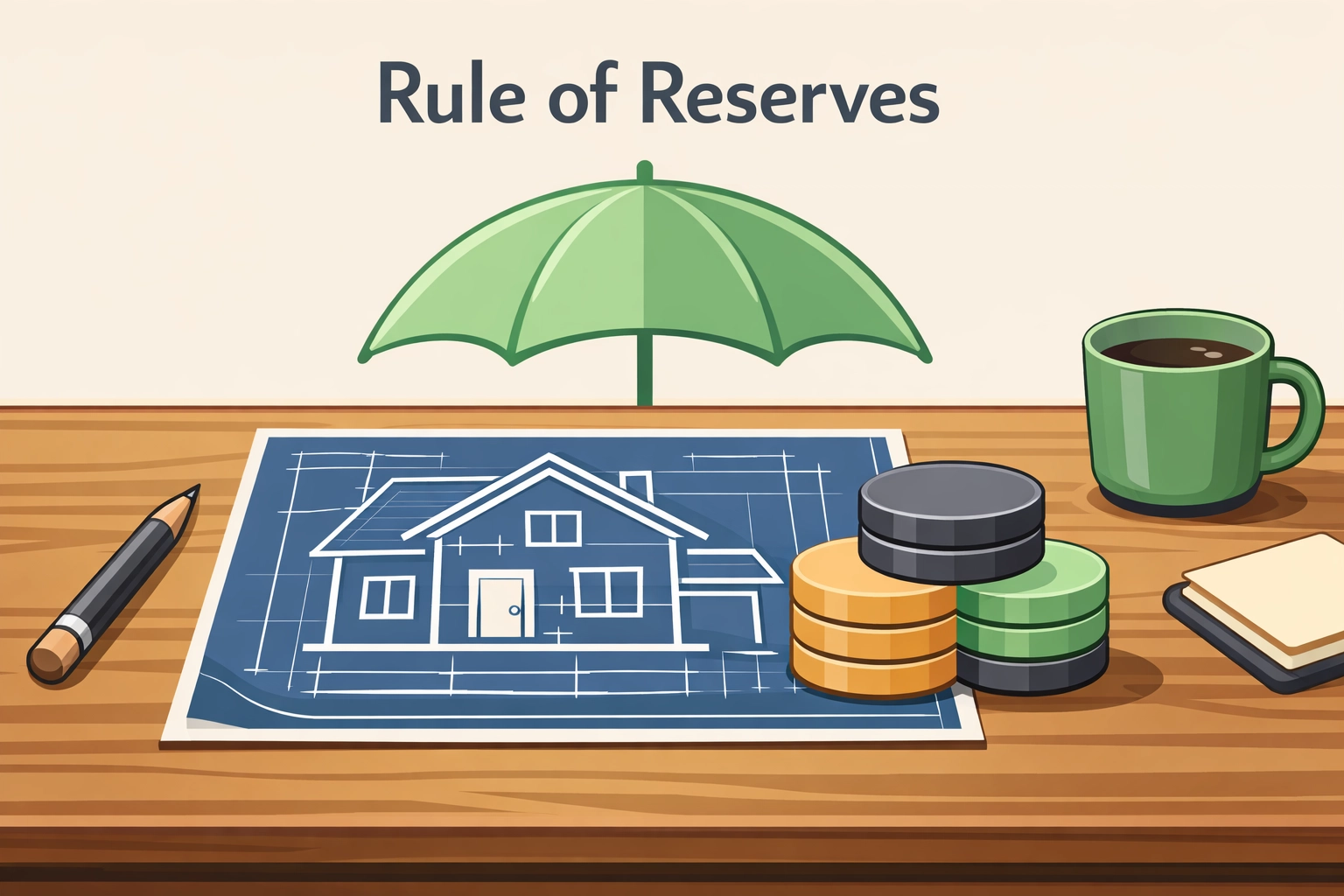
Furthermore, never forget the "Rule of Reserves." No matter how creative your financing is, you should aim to have at least six months of expenses in the bank for every property you own. Nashville's market is strong, but vacancies and unexpected repairs (like an HVAC giving out in a Tennessee July) happen.
The Power of the Room: Why Community Matters
You can read every blog post on the internet, but nothing replaces being in a room with people who are actually doing the work. This is why the REIN community is so vital for Tennessee investors.
Real estate can be a lonely business if you're doing it from your laptop. At our events, you’ll find members who have successfully navigated the exact creative financing deals you’re considering. Whether it's finding a local lender who understands the Clarksville market or meeting a partner for a joint venture, the "power of the room" is real.
We provide the education and the network so you don't have to make expensive mistakes on your own. Our Calendar of Events is packed with opportunities to learn from those who have been in your shoes.
Getting Started: Your Next Steps
Creative financing isn't a magic wand; it’s a toolkit. To master it, you need to:
- Educate Yourself: Understand the difference between an FHA, a DSCR, and a portfolio loan.
- Know Your Numbers: Ensure the monthly rent covers the mortgage plus at least $200–$300 in profit after all expenses (taxes, insurance, maintenance).
- Build Your Team: Connect with a investor-friendly CPA like Michelle Salyer and local lenders who don't run away from "creative" deals.
- Get Local: Focus on specific submarkets in Middle Tennessee. Don't try to master the whole state at once.
If you’re ready to stop watching from the sidelines and start building your portfolio, the best thing you can do is surround yourself with the right people.
We invite you to join us at our next monthly meeting. Whether you're a complete beginner or a seasoned pro looking for a new perspective, there's a place for you here.
Ready to take the next step in your investment journey? Join the REIN community today and get the tools, education, and networking you need to succeed in Middle Tennessee.