
Plenty of people walk into a real estate networking event with no real plan and leave with a stack of business cards that never turns into anything. A little preparation beforehand, a clear approach during the event, and proper follow-up afterward changes that outcome substantially, and none of it requires much more effort than showing up unprepared does.

Before the Event: What to Prepare
Have a one-sentence answer ready for what are you working on right now, since you will be asked some version of that question repeatedly throughout the evening. Bring business cards if you have them, or at minimum have your contact information easy to share quickly on your phone. Set a specific, modest goal for the evening, three or four genuine conversations, rather than an open-ended aim to network as much as possible, which tends to produce a lot of shallow small talk and very little of substance.
It also helps to think about what you can offer before the event starts, not just what you hope to receive. Networking that only flows one direction tends to feel transactional and is remembered that way. Arriving with something to give, even something small like a useful article you read or an introduction you can make, changes the tone of a conversation from a pitch into an actual exchange.
During the Event: What to Say and How
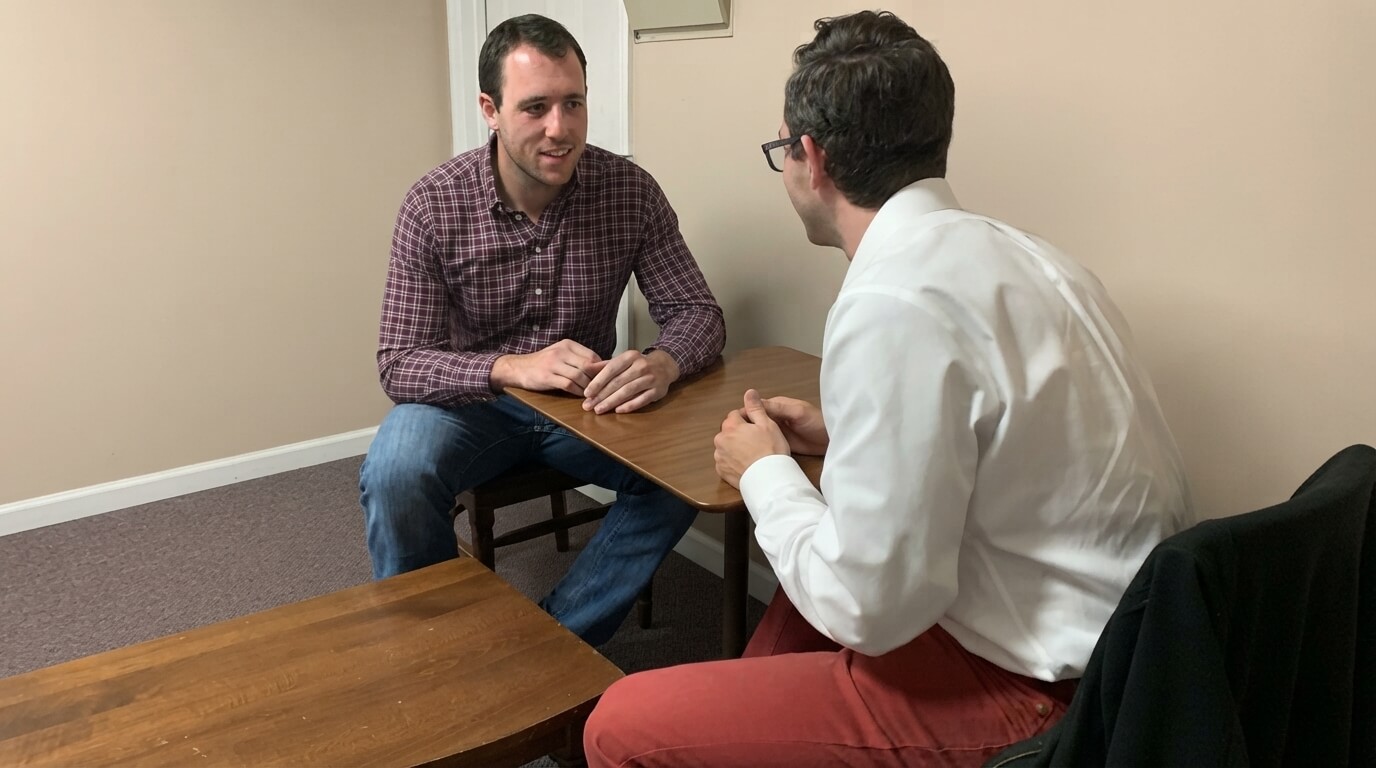
Keep your self-introduction short and specific rather than a long biography nobody asked for. Name, what you are currently working on, and what kind of connection would be genuinely useful to you right now, covers what most people actually want to know in under thirty seconds. Ask more questions than you answer, particularly of anyone who seems experienced, since most people enjoy talking about their own deals and you will learn far more listening than talking.
Here's a simple checklist broken into the three phases of a networking event.
| Phase | Key Actions |
|---|---|
| Before | Prepare a one-sentence intro, set a modest conversation goal, bring contact information |
| During | Introduce yourself briefly, ask more than you answer, note specifics about who you meet |
| Immediately After | Write a quick note on each new contact while details are still fresh |
| Within 48 Hours | Send a specific, personalised follow-up message referencing the conversation |
| Ongoing | Keep the relationship warm by staying in touch beyond the initial follow-up |
Body language matters more than people give it credit for at these events. Standing near the edges of a room with arms crossed signals unavailability, even unintentionally, while positioning yourself somewhere natural to approach, near the coffee or registration table, tends to invite more organic conversations than actively working the room ever does.
Reading the Room Without Overstaying Your Welcome
A good conversation has a natural length, and dragging it past that point, particularly at a busy event where other people are waiting to connect, tends to leave a worse impression than ending a bit early. How to get the most from a real estate investing group meeting covers this balance in more depth, but the short version is that a warm, brief conversation that ends naturally beats a long one that overstays its welcome.
Immediately After: Capturing the Details
Write a quick note on each new contact while the details are still fresh, ideally within minutes rather than waiting until you are home and the specifics have blurred together. A note as simple as met at the March event, works with private lenders, mentioned a duplex in East Nashville is enough to make your follow-up message specific and genuine rather than generic and forgettable. Real estate property investors in Nashville who network consistently almost universally do some version of this, even if informally.
Treat the follow-up as the actual start of the relationship, not a formality that closes out the event. A single good conversation at a networking event is only the introduction. What happens over the following weeks and months, staying in touch, following through on anything you offered, checking in occasionally without an agenda, is what turns a pleasant conversation into a relationship you can actually rely on later.
The Follow-Up That Actually Works
A follow-up message sent within 48 hours, referencing something specific from the conversation, reads as genuine interest. A generic great meeting you message sent two weeks later, with no specific reference to what was discussed, reads as an afterthought and rarely gets a meaningful response. Specificity is the single biggest factor separating a follow-up that leads somewhere from one that quietly disappears.
It is also worth being direct about what you are hoping for, provided the ask is specific and reasonable. A vague would love to stay in touch tends to go nowhere. An introduction to your lender if they work with first-time flippers gives the other person something concrete and easy to act on. What to expect at your first meeting covers the same principle of specificity in more depth if a networking event will be your first exposure to this kind of setting.
FAQ
What should I bring to a real estate networking event?
Business cards if you have them, a notebook, and a clear one-sentence answer to what are you working on right now, since you'll likely be asked several times.
How do I introduce myself without sounding rehearsed?
Keep it short and specific, your name, what you're currently working on, and what kind of connection would be useful to you, rather than a long biography.
What's a good goal for a first networking event?
Aim for a handful of genuine conversations rather than collecting as many business cards as possible. Quality of connection matters more than quantity.
How soon should I follow up after the event?
Within a day or two, while the conversation is still fresh for both of you and easy to reference specifically.
Is it okay to ask for something directly at a networking event?
Yes, provided the ask is specific and reasonable. A vague general request tends to land less well than something concrete, like an introduction to a particular type of contact.
Ready to Attend a Real Estate Networking Event?
Come prepared and turn your next event into real relationships.
Become a Member