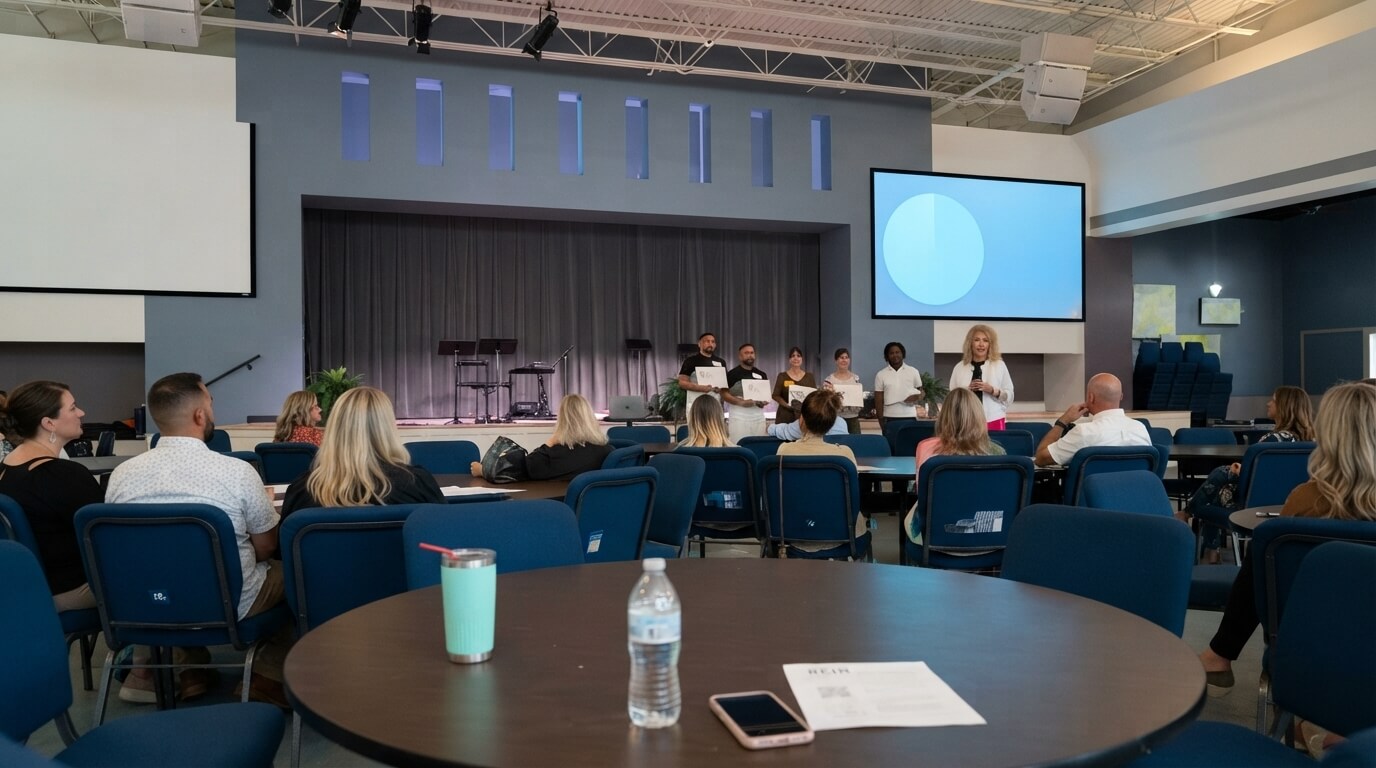


Plenty of people attend a real estate investing group meeting once, decide it was fine, and never quite turn that into anything concrete. The difference between a wasted evening and a genuinely useful one usually comes down to a handful of small habits, showing up consistently, engaging rather than observing, and following up properly afterward, rather than anything about the group itself.

Consistency Beats Any Single Great Meeting
A single excellent meeting rarely changes an investor's trajectory on its own. What tends to matter is showing up month after month, since relationships and deal flow compound over time in a way that a single visit simply cannot replicate. Members who attend consistently become known quantities to the rest of the room, and being a known quantity is what gets you a phone call about an off-market deal before it ever reaches a public listing.
Engaging Rather Than Just Observing
It is tempting, particularly as a newer attendee, to sit quietly and absorb information without saying much. That instinct is understandable but works against you. A brief self-introduction, even something as simple as stating your name and what you are currently working on, gives other members a reason to approach you rather than the reverse. Real estate investors near me covers why the search itself is really about finding people, not information, and the same logic applies inside a meeting you have already found.
Here is a comparison of the passive versus active approach to a typical meeting.
| What you're comparing | Active Approach | Passive Approach |
|---|---|---|
| First meeting | Introduces themselves, asks a question | Sits quietly, leaves without speaking to anyone |
| Follow-up | Messages new contacts within a day or two | Loses the business cards, never follows up |
| Attendance pattern | Comes back consistently month after month | Attends once, decides it wasn't useful |
| What they get out of it | Deal flow, mentorship, vendor relationships | A single evening with little lasting value |
| Group's perception of them | A known, engaged member | A face nobody quite remembers |
It also helps to arrive slightly early rather than right at the start time. The few minutes before a meeting officially begins tend to be some of the least structured, and least intimidating, time to strike up a conversation with someone, since neither of you is interrupting a scheduled agenda. Plenty of the strongest connections at any given meeting happen in exactly that unscripted window before things formally start.
Nametags and name recall matter more than people expect in a room this size. Making a point to actually remember a few names from each meeting, and using them the next time you see that person, signals attentiveness in a way that few other small habits can match. It sounds minor, but it is one of the fastest ways to move from being a stranger in the room to being someone people recognise and greet by name.
Bringing Something to the Room, Not Just Taking
Members who ask what can I offer this group, not just what can I get from it, tend to build the strongest relationships fastest. That might mean sharing a lesson learned from a deal that went wrong, offering an introduction to a contractor you trust, or simply being generous with time when a newer member asks a question you already know the answer to. A functioning real estate investment community runs on that kind of reciprocity, and it notices quickly who contributes and who only extracts.

It is worth acknowledging that some meetings will simply be quieter or less useful than others, regardless of how well you engage. That is normal, and it is not a reason to stop showing up. A slow meeting followed by a genuinely valuable one is a far more common pattern than a steady, predictable stream of equally useful evenings, and the members who benefit most tend to be the ones who kept coming through the quieter stretches rather than judging the whole group on a single off night.
Following Up Without Being Pushy
A brief, specific follow-up message within a day or two of meeting someone reads as genuine interest rather than a cold pitch. Reference something specific from the conversation, the deal they mentioned, the lender they recommended, rather than a generic great meeting you message that could have been sent to anyone. Specificity signals you were actually listening, and that alone sets a follow-up apart from the dozens of forgettable ones most active members receive after every meeting.
It also helps to keep a simple record of who you have met and what they mentioned, even something as basic as a note on their business card or in your phone right after the meeting ends. Memory fades quickly once you are back in your normal routine, and a small note taken in the moment saves you from an awkward, vague follow-up message weeks later that makes it obvious you have forgotten the specifics of the conversation.
Turning Attendance Into a Real Network
Over time, consistent attendance and genuine engagement compound into something a single great meeting never can, a real network of people who know your name, trust your judgment, and think of you when something relevant comes up. REIN own community includes investors, contractors, private lenders, and attorneys who function this way for active members, and that access is earned through months of consistent, genuine participation rather than a single well-executed evening.
FAQ
How often should I attend a real estate investing group to get value from it?
Consistency matters more than any single meeting. Members who attend monthly tend to build relationships and deal flow that occasional attendees rarely see.
Should I speak up at my first meeting or just listen?
Listening is fine for a first visit, but introducing yourself briefly and stating what you are looking for tends to speed up how quickly the group starts being useful to you.
What should I do if I don't have a deal or a specific ask yet?
Come anyway. Groups value future active members, and relationships built before you need something tend to be stronger than ones built out of urgent necessity.
Is it rude to leave a meeting early?
Not inherently, but the informal conversation after the formal agenda ends is often where the most useful connections happen, so leaving immediately after the last slide trades away real value.
How do I follow up with someone I met without being pushy?
A brief, specific message referencing what you talked about, sent within a day or two, reads as genuine interest rather than a cold pitch.
Ready to Get More From Your Real Estate Investing Group?
Start showing up consistently and see how quickly the room starts working for you.
Become a Member