Nashville’s Inventory Surge: Why 77 Days on Market is an Investor’s Best Friend

Middle Tennessee has officially shifted gears. After years of “list it on Thursday, multiple offers by Sunday,” the market is giving investors something we haven’t had much of lately: time.

As we move through February and March 2026, two stats matter a lot for deal-making:

  • Inventory is up to ~3.77 months (about a 28.6% increase).
  • Median days on market (DOM) is now ~77 days.

That combination is a big signal that we’re moving away from a pure seller’s market and into something closer to a balanced market, where both buyers and sellers have some leverage.

For local investors, that’s not a reason to panic. It’s a reason to sharpen your process.


Quick definitions (so the numbers actually mean something)

Months of inventory (MOI)

Months of inventory is a “how long would it take to sell what’s currently listed” metric, assuming no new listings hit the market.

  • Low MOI (roughly under 3 months): seller advantage
  • Higher MOI (roughly 4–6 months): more balanced
  • Very high MOI (6+): buyer advantage

At 3.77 months, Middle Tennessee isn’t in a deep buyer’s market. But it’s also not the frenzy investors had to fight through in prior years. It’s closer to negotiation-friendly.

Days on market (DOM)

DOM is the number of days a property sits listed before going under contract.

At 77 days, the market is telling you:

  • sellers are taking longer to find the right buyer,
  • pricing strategy matters more again,
  • and buyers can negotiate without feeling like they’re “too late” every time.

Why 77 days on market is an investor-friendly stat

When properties move slowly, the deal math starts to matter again. That’s good news if you’re buying based on fundamentals (cash flow, equity spread, or value-add), not emotion.

Here’s what longer DOM typically brings back into the conversation:

  • Price reductions (or at least willingness to discuss them)
  • Concessions (closing costs, rate buydowns, repair credits)
  • Inspection flexibility (fewer “no inspection” expectations)
  • Time to run comps and verify rents
  • Room to structure creative terms (especially if the seller has a timeline problem)

In other words: the market is giving investors leverage, not just listings.


Balanced market = leverage, but only if you use it well

A balanced market doesn’t automatically mean “cheap.” It means you can negotiate, and you can walk away more safely if the numbers don’t work.

This is where many investors need a mindset shift:

  • In a hot market, you “win” by being fast.
  • In a balanced market, you “win” by being right.

That means tighter underwriting, better acquisition discipline, and a willingness to let a deal go if the seller won’t meet reality.


Where the inventory is building (and what it can mean)

Inventory isn’t rising evenly everywhere. Some pockets stay competitive (great schools, strong retail corridors, limited supply). Others build inventory faster, especially where there’s more new construction, more investor-owned resales, or condo supply stacking up.

Broadly, investors across Middle Tennessee may see this in areas like:

  • Downtown and urban-core condos: often more sensitive to rate changes and competing inventory
  • Outer-ring suburbs (where new construction is heavier): more options = more negotiating power
  • Move-up price bands: tend to slow first when affordability tightens

The practical takeaway: don’t assume “the market” is one thing. It’s a patchwork. Use DOM, price reductions, and absorption in your target submarket to guide your offers.

Map showing Middle Tennessee housing inventory zones from urban core to suburban neighborhoods.

Suggested image: A simple map-style graphic of Middle Tennessee highlighting “urban core,” “inner ring,” and “outer ring” zones (conceptual, not neighborhood-by-neighborhood).


How to negotiate better when DOM is 77 days

Longer DOM gives you room to be structured. Here are investor-friendly negotiation moves that often work better in this kind of market.

1) Make offers with clean logic (not just a number)

Sellers may still be anchored to 2022–2024 pricing. A clean offer is easier to accept when it’s supported by reality:

  • recent comps (not 9 months old),
  • current competition (active listings),
  • and actual repair scope.

Keep it simple. A tight offer with a short explanation often beats a higher offer with vague terms.

2) Ask for concessions before you ask for a miracle price cut

If a seller can’t emotionally accept a lower “price,” they may accept:

  • closing cost credits,
  • rate buydown contributions,
  • repair credits,
  • or paying specific items (roof, HVAC, electrical).

Investors should care about net, not just purchase price.

3) Use inspection like a business tool (not a weapon)

A balanced market doesn’t mean playing games. It means doing due diligence properly:

  • Get your contractor walkthrough early if possible.
  • Separate safety/function issues from cosmetic preferences.
  • Document issues and costs clearly.

A seller is more likely to negotiate when the request is reasonable and specific.

4) Negotiate timelines (this is underrated)

If a property has been sitting, the seller may value certainty more than price.

Consider offering:

  • flexible closing (fast or slow),
  • leaseback (if appropriate),
  • or a longer closing tied to financing/appraisal timelines.

Time is leverage.


What investors should do differently with 3.77 months of inventory

More inventory means more choice. More choice means you can tighten your buy box.

Here’s a practical checklist to adjust your acquisition process right now.

Tighten your criteria

Write down (literally) what a “yes” looks like:

  • Minimum cash-on-cash return target (or minimum equity spread)
  • Neighborhood/submarket rules
  • Rehab complexity limits
  • Minimum rent-to-price ratio (if you use one)
  • Exit strategy rules (buy/hold vs. rehab/resale vs. mid-term rental)

When there are more deals, the temptation is to chase more deals. Stay disciplined.

Underwrite with today’s costs, not last year’s assumptions

With longer DOM, resale timelines can stretch. Build in:

  • longer holding time assumptions for rehabs,
  • realistic financing costs,
  • realistic insurance and tax projections,
  • vacancy and maintenance reserves for rentals.

A balanced market rewards conservative math.

Don’t ignore “stale listings”

A listing at 77+ days is not automatically bad. It’s often one of these:

  • overpriced (negotiable),
  • poorly marketed (fixable),
  • needs repairs (good for investors),
  • or has seller constraints (solvable with terms).

Stale doesn’t mean broken. It often means misaligned, which is where investors operate best.


Why longer days on market shouldn’t scare rental investors

For buy-and-hold investors, slower retail demand can actually help in a few ways:

  • Less bidding pressure = better entry price or better terms
  • More inspection flexibility = fewer surprise repairs later
  • More negotiating power = improved cash flow from day one

The key is to avoid confusing short-term market tempo with long-term rental fundamentals.

If the rental demand in your target area is stable, slower home sales don’t automatically mean weaker rental performance. They mainly mean you have more room to buy correctly.


Rehab and resale investors: adjust the plan, don’t abandon it

If you’re flipping or doing heavier value-add, the shift matters, but it’s manageable.

With DOM up, the risks usually show up in two places:

  • After Repair Value (ARV) assumptions
  • Days to sell after the rehab is complete

So the move is simple:

  • Underwrite a slightly more conservative ARV.
  • Add more holding time.
  • Be picky about finish level (don’t over-improve past the neighborhood ceiling).
  • Price based on current competition, not last season’s comps.

If you want a good framework for tightening your rehab process, REIN has training content focused on finding and managing profitable rehabs, including deal structure and execution discipline:
https://www.reintn.org/rein-insights/deal-making-a-blueprint-for-finding-and-managing-profitable-rehabs-2

Professional real estate investor workspace featuring a property rehab checklist and investment planning tools.

Suggested image: A simple “Rehab Deal Checklist” graphic (ARV, scope, contingency, timeline, exit strategy).


What to watch over the next 60–90 days (practical investor signals)

Instead of debating headlines, track a few signals consistently in your target areas:

  • Price reductions (frequency and size)
  • Sale-to-list price ratios (are sellers giving up ground?)
  • Pending/active ratio (is inventory actually getting absorbed?)
  • DOM by price point (higher price bands often slow first)
  • Condo vs. single-family trends (they can behave very differently)

If you only pick one: watch price reductions. They often show the negotiation window before it’s obvious in closed-sale comps.


Don’t do this: common mistakes investors make in a “more balanced” market

A balanced market gives opportunity, but it also exposes sloppy decision-making.

Avoid these traps:

  • Overpaying “just to get a deal” because you’re used to competition
  • Underestimating holding costs when resale timelines stretch
  • Ignoring micro-market differences (one ZIP can be hot while the next one stalls)
  • Failing to negotiate concessions because you assume sellers won’t budge
  • Letting fear stop you from offering (you don’t get deals you don’t offer on)

77 DOM doesn’t mean “everything is crashing.” It means the market is behaving more normally, and normal markets are where disciplined investors thrive.


Why being in the REIN community matters more in this kind of market

When the market is moving fast, many investors rely on speed and instincts. When it slows down and inventory rises, the advantage shifts to investors who have:

  • better underwriting habits,
  • tighter deal filters,
  • local relationships,
  • and access to real-time market conversations.

That’s where community pays off. Real Estate Investors of Nashville is built for education and connection, being in the room with other investors helps you pressure-test assumptions, compare notes on neighborhoods, and stay grounded in numbers instead of noise.

If you want to learn and invest alongside other Middle Tennessee investors, review membership options here (and please let the team know you’d like to review content before anything is posted):
Join REIN: https://www.reintn.org/membership/

REIN Logo

Nashville Real Estate Investing 101: A Beginner’s Guide to Mastering Creative Financing

Getting started in real estate within Middle Tennessee can feel a bit like trying to board a moving train. With the rapid growth we’ve seen across Nashville and the surrounding counties, many new investors worry they’ve missed the boat or that the "barrier to entry": primarily the cash required: is simply too high.

At REIN, we talk to people every week who are sitting on the sidelines because they think they need $100,000 in the bank just to make their first move. We’re here to tell you that’s not the case. While traditional 20% down conventional loans are a great tool, they aren't the only way to build a portfolio in this market.

To succeed today, local investors are turning toward "creative financing." This isn't about "get rich quick" schemes; it’s about using different financial levers to acquire property, preserve your cash, and scale faster. Here is our guide to mastering these strategies in the current Middle Tennessee market.

The State of the Middle Tennessee Market

Before we dive into the "how," let’s look at the "where." Nashville remains a powerhouse for long-term buy-and-hold strategies due to our diverse economy and steady job growth. However, the core of the city has become incredibly competitive.

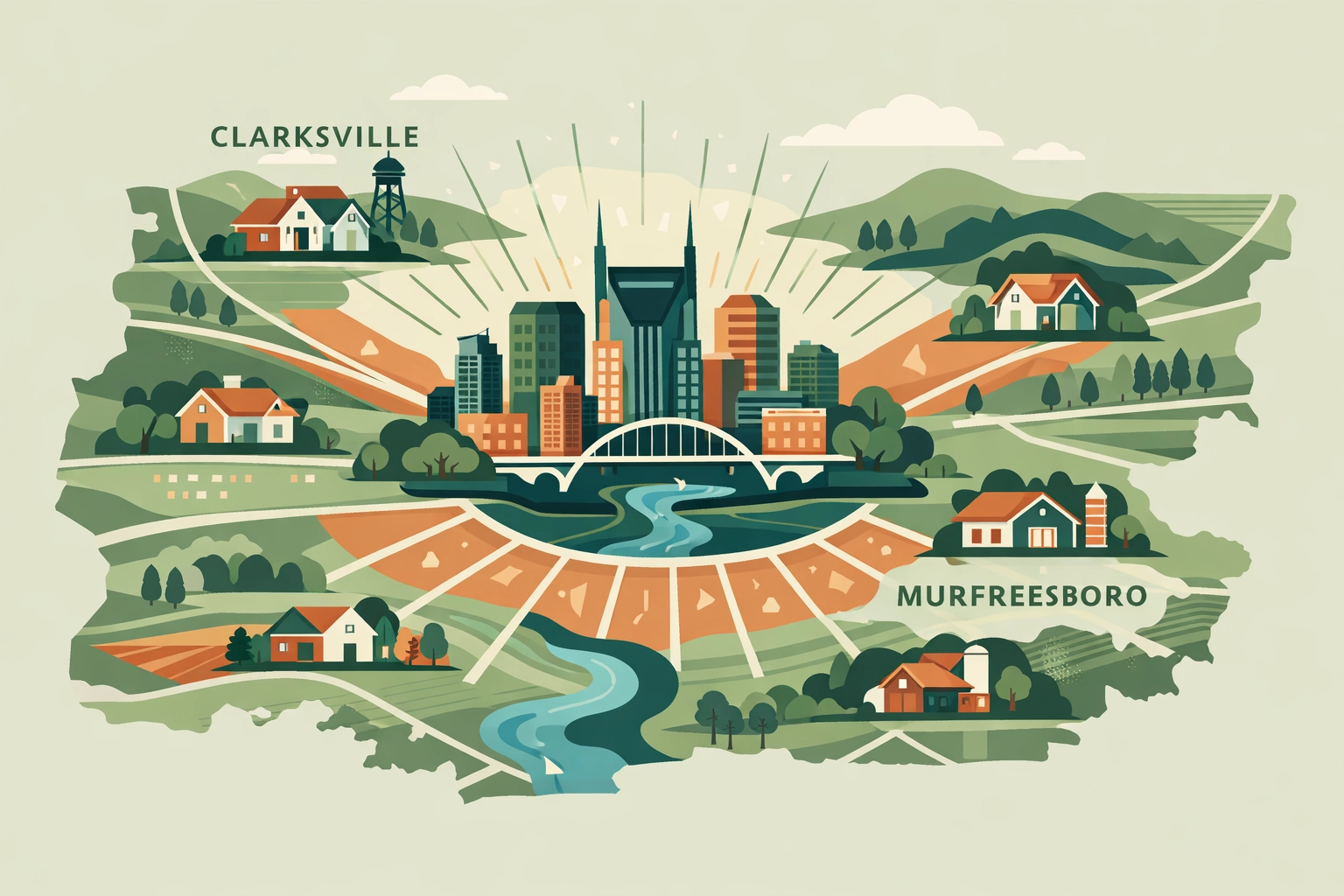
For beginners, we often see better cash flow opportunities by looking just outside the immediate Nashville zip codes. Areas like Clarksville, Murfreesboro, and Columbia offer more accessible entry points while still benefiting from the region's overall appreciation. For example, while a three-bedroom rental in Nashville might fetch $2,300 a month, your cash-on-cash return might be higher in a secondary market where the purchase price is significantly lower.

Map of Middle Tennessee highlighting investment opportunities in Nashville and surrounding areas.

1. House Hacking: The "Low-Down" Secret

If you are looking for the absolute best way to start, house hacking is it. This strategy involves buying a primary residence with 1-4 units, living in one part, and renting out the others.

In Middle Tennessee, this is particularly effective if you find a property with an Accessory Dwelling Unit (ADU): a common sight in neighborhoods like East Nashville or Madison. By using an FHA loan, you can put as little as 3.5% down. On a $400,000 property, that’s $14,000 instead of the $80,000 you’d need for a traditional investment loan.

The beauty of this approach is that your tenants essentially pay your mortgage. This allows you to live for free (or close to it) while you save for your next investment.

2. Leveraging DSCR Loans

For those who already own a home or don't want to move, Debt Service Coverage Ratio (DSCR) loans are a game-changer. Unlike conventional loans that look at your personal income, W-2s, and debt-to-income ratio, a DSCR loan looks at the property itself.

If the projected rent covers the mortgage payment (the "debt service"), the lender is often willing to fund the deal. This is a favorite for self-employed investors or those who have "maxed out" their personal borrowing capacity. Many of our local lending partners at REIN specialize in these products because they understand that a property’s performance is often more important than the borrower’s tax returns.

3. Using Home Equity (HELOCs)

Many homeowners in Middle Tennessee are sitting on a goldmine of equity thanks to the appreciation of the last five years. Instead of selling your home to access that cash, you can use a Home Equity Line of Credit (HELOC).

Think of a HELOC as a revolving credit card secured by your house. You can draw from it to cover a down payment on an investment property, renovate a fixer-upper, and then pay it back once the property is refinanced or producing cash flow. It’s a practical way to use the "dead money" in your walls to fund your future.

Visual representation of using home equity as capital for Nashville real estate investing.

4. Seller Financing and "Subject To"

In a market where interest rates can fluctuate, seller financing is becoming a hot topic at our monthly meetings. This happens when the person selling the house acts as the bank. You make monthly payments directly to them instead of a mortgage company.

Why would a seller do this? They might want a steady monthly income without the headache of property management, or they might want to spread out their capital gains tax hit over several years.

Similarly, "Subject To" involves taking over the seller's existing mortgage payments. In a world where many homeowners have locked-in rates at 3% or 4%, being able to "wrap" that existing low-interest debt can make a deal work that would otherwise be impossible with today's bank rates.

The Financial Foundation: Taxes and Reserves

Creative financing requires a higher level of financial literacy. You can't just "wing it." One of the most critical members of your team will be a tax professional who understands real estate.

We always recommend working with someone like Michelle Salyer, CPA, who understands the nuances of depreciation, 1031 exchanges, and how creative financing structures affect your tax liability. Using creative debt without a plan for the IRS is a recipe for trouble.

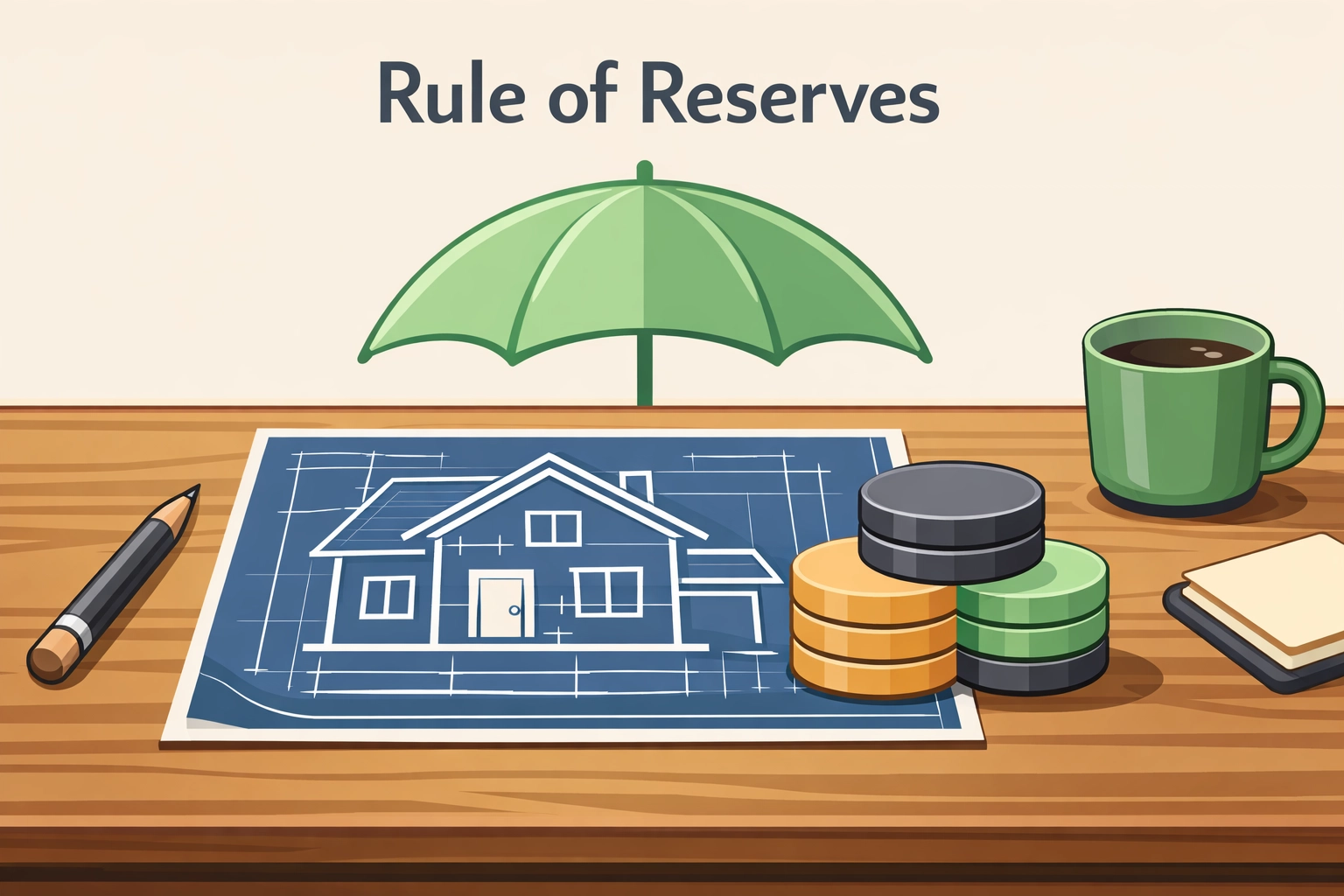
Furthermore, never forget the "Rule of Reserves." No matter how creative your financing is, you should aim to have at least six months of expenses in the bank for every property you own. Nashville's market is strong, but vacancies and unexpected repairs (like an HVAC giving out in a Tennessee July) happen.

Real estate investment reserves concept showing financial protection and cash savings for properties.

The Power of the Room: Why Community Matters

You can read every blog post on the internet, but nothing replaces being in a room with people who are actually doing the work. This is why the REIN community is so vital for Tennessee investors.

Real estate can be a lonely business if you're doing it from your laptop. At our events, you’ll find members who have successfully navigated the exact creative financing deals you’re considering. Whether it's finding a local lender who understands the Clarksville market or meeting a partner for a joint venture, the "power of the room" is real.

We provide the education and the network so you don't have to make expensive mistakes on your own. Our Calendar of Events is packed with opportunities to learn from those who have been in your shoes.

Getting Started: Your Next Steps

Creative financing isn't a magic wand; it’s a toolkit. To master it, you need to:

  1. Educate Yourself: Understand the difference between an FHA, a DSCR, and a portfolio loan.
  2. Know Your Numbers: Ensure the monthly rent covers the mortgage plus at least $200–$300 in profit after all expenses (taxes, insurance, maintenance).
  3. Build Your Team: Connect with a investor-friendly CPA like Michelle Salyer and local lenders who don't run away from "creative" deals.
  4. Get Local: Focus on specific submarkets in Middle Tennessee. Don't try to master the whole state at once.

If you’re ready to stop watching from the sidelines and start building your portfolio, the best thing you can do is surround yourself with the right people.

We invite you to join us at our next monthly meeting. Whether you're a complete beginner or a seasoned pro looking for a new perspective, there's a place for you here.

Ready to take the next step in your investment journey? Join the REIN community today and get the tools, education, and networking you need to succeed in Middle Tennessee.

Join REIN Here

Real Estate Investment Skills REIN Members Build in Their First 90 Days

The first 90 days in real estate investing tend to come with a steep learning curve. The goal is less about collecting random tips and more about building a repeatable process that works in the current Middle Tennessee market.

Within about 90 days of consistent participation, the focus typically shifts from “find a deal” to “run a system.” That system is what helps investors move forward instead of getting stuck.

Below are the core skills members tend to build early on—and why they matter right now.

Skill #1: Data Beats Guesswork Every Single Time

New members often show up thinking the goal is to “find deals” immediately. A few meetings in, the pattern becomes clear: consistent investors don’t hunt blindly—they analyze.

Middle Tennessee has been moving toward a more balanced market, with more listings and longer days on market than the peak frenzy years. Local reports from groups like GNAR have pointed to expanding inventory and steadier pricing in recent cycles. That shift creates more opportunity, but it also rewards investors who can read the numbers and spot the difference between a real deal and a listing that simply isn’t priced for today’s financing.

Practical data habits members build early:

  • Pull clean comps (same neighborhood, similar bed/bath, similar condition) and adjust for differences
  • Separate “after-repair value” from “as-is value” (and don’t mix the two)
  • Track a few target areas over time (median price, days on market, rent ranges, typical renovation level)
  • Stress-test the exit: resale, refinance, or hold—before making an offer

The big win is learning to see patterns instead of one-off properties. That’s what makes an offer confident, not hopeful.

Real estate investor analyzing Middle Tennessee property data and market trends on laptop

Skill #2: A Solid Financial Foundation Makes Deals Easier (and Safer)

One of the fastest lessons in real estate is this: speed helps, but stability closes. When rates are higher and buyers are pickier, a deal needs cleaner numbers and more margin than it did a few years ago.

In the first 90 days, members typically get serious about financial readiness:

Know the real budget (not the optimistic budget)

  • Maximum purchase price based on today’s payment, not yesterday’s rate
  • Renovation budget with a contingency line item
  • Carrying costs (interest, taxes, insurance, utilities, lawn, trash, etc.)
  • Reserves for the “stuff that always happens”

Match financing to the plan

  • Short-term financing works differently than long-term rental financing
  • The refinance step (if using a BRRRR-style approach) should be modeled up front
  • Cash flow should be tested with conservative rent numbers and realistic maintenance

Due diligence gets stricter when margins tighten

National investor associations consistently emphasize tighter underwriting in markets where inventory is up and concessions show up more often. That applies locally too: the underwriting has to work even if the exit takes longer than planned.

Skill #3: Strategy Selection (Not Trend-Chasing)

Most investors show up with a strategy in mind. Then the reality of time, cash, risk tolerance, and the current market hits. The early goal is clarity.

Within 90 days, members typically get sharper on:

  • The difference between cash flow and appreciation (and which one is actually needed right now)
  • Why flips are more sensitive to days-on-market and buyer demand than many people expect
  • How BRRRR deals can work—if the purchase price, rehab scope, and appraised value are realistic
  • Why wholesaling is a sales process first (lead flow + negotiation), not just “finding a cheap house”

In Middle Tennessee, strategy fit matters because submarkets behave differently. Some areas support stronger rents relative to price. Others are more appreciation-driven. Some product types move fast under $450K, while higher price points can sit longer. The right strategy is the one that still works when the market is normal—not just when it’s hot.

Investment property financial planning documents and calculator on organized desk

Skill #4: Neighborhood Intelligence (How to Think Locally)

Market reports are helpful. But local investing decisions usually come down to street-level details: tenant demand, renovation expectations, permitting friction, property condition patterns, and what buyers are actually paying for.

Educational principles that help investors “think locally”:

  • Define the tenant or buyer profile first (then choose the neighborhood and product type)
  • Learn the typical housing stock issues in the target area (age, construction type, common repairs)
  • Price renovations to match the neighborhood’s ceiling (avoid “HGTV spending” where it won’t be paid back)
  • Watch for constraints that change the deal (HOAs, access/easements, flood zones, odd lots, zoning, permits)

This matters even more in the current Middle Tennessee climate. With inventory expanding compared to the tightest years, buyers and tenants have more choices. That puts pressure on pricing, condition, and execution. Local context helps prevent paying retail for a property that needs a wholesale-level discount.

Skill #5: Vetting a Team (So the Deal Doesn’t Fall Apart Mid-Project)

Early on, many investors think the “deal” is the hard part. In reality, execution is where profit gets protected—or lost.

In the first 90 days, members tend to shift from “who do I call?” to “how do I vet and manage the people involved?”

A simple, practical framework:

1) Set clear scope and standards up front

  • Write the scope of work in plain language
  • Define the finish level (rental-grade vs. retail-grade)
  • Agree on payment terms tied to milestones—not vibes

2) Validate reliability (not just price)

  • Confirm licensing/insurance where applicable
  • Check recent references from investor projects
  • Look for consistent communication and documented change orders

3) Build a repeatable process

  • Pre-project walkthrough checklist
  • Weekly progress check-ins (photos + notes)
  • Final punch list before final payment

In a more balanced market, sloppy execution gets punished. Properties that aren’t priced right, staged right, or finished right can sit. A vetted team makes timelines more predictable and helps keep the numbers true.

Skill #6: The Room Is Worth More Than Any Single Class

REIN membership isn’t just content—it’s proximity. The association’s biggest advantage is learning alongside other active investors and pressure-testing decisions with people who understand the local context.

That matters because Middle Tennessee conditions keep changing: more inventory in some months, different buyer sensitivity at different price points, and more negotiation happening than during the peak frenzy. Guidance echoed by national investor associations tends to be consistent in shifting markets: tighten due diligence, underwrite conservatively, and keep learning from what’s working right now.

Practical ways the REIN community supports stronger decision-making:

  • Faster feedback on underwriting assumptions (rents, rehab budgets, exit timelines)
  • Better due diligence habits through shared checklists and deal review discussions
  • More accountability to follow through on the next right step
  • Ongoing education and networking that keeps investors from operating in a vacuum

The investors who get the most value are the ones who show up consistently, ask direct questions, and apply one new skill at a time.

Start Building the Next 90 Days Now

These skills—data analysis, financial readiness, strategy clarity, neighborhood context, team vetting, and community feedback loops—are what help investors make smarter decisions in Middle Tennessee.

Ready to get in the room and start building a repeatable process?

Join REIN here: https://www.reintn.org/membership/

Nashville Real Estate Investors Network: 7 Ways REIN Membership Closes More Deals Than Going Solo

We've heard it a hundred times: "I can figure this out on my own." And sure, you can learn real estate investing solo, just like you can build a house with a hammer and YouTube videos. But when you're competing in Middle Tennessee's fast-moving market, going it alone means you're leaving money on the table.

At Real Estate Investors of Nashville, we've watched members close deals that would've been impossible without the network. Not because they couldn't analyze a property or run the numbers, but because the deal never made it to the MLS. Or because they needed a reliable lender who understands investor timelines. Or because they had a question at 9 PM and got an answer from someone who'd already made that exact mistake.

Here are seven specific ways our membership accelerates deal flow, and why the investor sitting next to you at our monthly meeting might be the reason your next project pencils out.

Nashville real estate investors exchanging property keys and documents at closing meeting

1. Access to Off-Market Deal Flow Before It Hits Zillow

The best deals in Nashville rarely see public listing sites. By the time a property hits the MLS, twenty investors have already run the numbers and half of them passed.

Our members share deal flow directly with each other. Wholesalers bring pockets of properties to monthly meetings. Someone's inherited a property in Hermitage and wants a fast cash offer. Another member is exiting a portfolio and offering first look to the network before going public.

This isn't theory. Transactions happen because trust exists in the room, something you can't replicate from a Facebook group or a cold-call list.

When you're evaluating a property, tools like PropGrid (a Nashville-based data platform many of our members use) help you run comps fast. But data doesn't tell you that the seller is motivated because of a job relocation, or that two other investors already walked because they didn't have the relationship with a lender who'd move quickly. That intel comes from being in the room.

2. Strategic Partnerships That Reduce Your Capital Requirements

Solo investors are limited by their own bank accounts. REIN members pool resources, split equity, and structure creative partnerships that let them do bigger (or more) deals without tying up all their capital in one project.

We see this constantly:

  • A newer investor brings the hustle and project management; an experienced member brings the capital and takes a passive role
  • Two members split a duplex conversion, one funds acquisition, the other funds rehab
  • A small syndication forms around a 12-unit property that no single member wanted to carry alone

These partnerships happen because our monthly meetings and networking events create a low-pressure environment to vet potential collaborators. You're not doing a deal with a stranger from the internet, you're partnering with someone you've sat next to for three months, heard speak at a Q&A session, and watched analyze other members' deals.

Real estate investors reviewing property blueprints and renovation plans together

3. Education That Prevents Expensive Mistakes

Real estate investing is expensive trial-and-error if you're learning solo. REIN compresses that learning curve with monthly education sessions, guest speakers, and peer-to-peer strategy sharing.

Last month, a member shared how he almost bought a property in a Nashville zoning district that would've blocked his intended short-term rental strategy, until another member flagged the issue during our deal analysis roundtable. That one conversation saved him $40,000 and six months of headaches.

Our education calendar covers everything from creative financing to tenant screening to 1031 exchanges. But the real education happens in the hallway conversations:

  • "Here's the lender I used when the bank said no"
  • "That contractor ghosted me after two weeks, try this one instead"
  • "I learned the hard way that Davidson County requires X permit for Y renovation"

You can find some of this information online. But you can't Google "What's the current reality of the Mt. Juliet rental market from someone who owns 8 doors there?" That knowledge lives in the REIN community.

4. Vendor Discounts That Improve Your Deal Margins

Every real estate project involves contractors, materials, software, and services. Those costs add up fast, and they directly impact whether a deal is profitable.

REIN members get vendor discounts through our network of partners. We're talking:

  • Savings on paint, flooring, and materials for rehabs
  • Discounted property management software (including free access to RentPerfect for members)
  • Preferred rates with local contractors who understand investor timelines

We've also built relationships with specialized service providers. Need a reliable HVAC contractor who won't overcharge on a rental property repair? Our members work with Specialized HVAC and Air Maxx HVAC. Need a general contractor who gets what "investor-grade" means? Lakeland Building Partners understands the rental property business model.

These aren't just vendor lists. These are relationships where the service provider knows REIN members expect quality work, fair pricing, and timely completion, because they want to keep getting referrals from our network.

5. Reliable Lender Relationships for Fast Closings

Financing kills more deals than bad foundations. Traditional banks move slowly, don't understand investor timelines, and often say no to projects that would be highly profitable with the right capital structure.

REIN members have direct access to private lenders who specialize in investment properties:

When you're competing with cash buyers and need to close in 14 days, having a lender who already knows you (because you met at a REIN event) is the difference between winning and losing the deal. These lenders don't need to "learn about real estate investing": they fund dozens of projects every month for our members.

And if you're using self-directed IRA funds? IRA Innovations and Advanta IRA have spoken at our meetings and work with several members to deploy retirement capital into real estate projects.

6. Speed Networking That Connects You With Reliable Contractors

Every successful real estate investor will tell you: your contractor is more important than your deal analysis.

Solo investors spend months (or years) building a reliable contractor network through expensive trial-and-error. You hire someone who seems great, they disappear after the first draw, the project sits half-finished, and you're scrambling to find someone to finish the work.

Our speed networking sessions and organized meetups solve this. You meet property managers, contractors, electricians, plumbers, and inspectors who are already working with other REIN members. You can ask:

  • "How responsive is this contractor when problems come up?"
  • "Does this property manager actually screen tenants, or just fill vacancies?"
  • "Is this electrician's pricing competitive for investor projects?"

You're vetting service providers through the collective experience of 300+ local investors. That's worth more than any online review platform.

7. Community Accountability and Live Deal Analysis

Here's the advantage nobody talks about: accountability.

When you're investing solo, it's easy to talk yourself into a marginal deal. You've been looking for three months, you're tired of analyzing properties that don't work, and this one is "close enough." So you pull the trigger on a deal that barely breaks even: or worse.

REIN members get real-time feedback. Bring your deal to a monthly meeting and watch what happens:

  • Someone who owns property in that neighborhood tells you the realistic rental rate (which is $150/month less than Zillow estimates)
  • Another member spots a red flag in your rehab budget
  • A third member suggests a creative financing structure you hadn't considered that improves your ROI by 4%

This is the value of being in a room full of people doing deals. Not because anyone is smarter than you, but because they've made different mistakes and see different angles. The member who talks you out of a bad deal just saved you $30,000: even though you'll never close that transaction.

And when you do close a great deal? The same community celebrates with you, learns from your approach, and refers their overflow deal flow your way next time.

REIN members networking and discussing investment strategies at Nashville meeting

Why the Network Matters More Than the Meeting

Look, you can learn real estate investing from books, podcasts, and YouTube. The information is out there.

What you can't replicate alone is:

  • The off-market deal that a wholesaler brings to you first
  • The joint venture partner who funds your next three projects
  • The contractor who answers your call at 7 AM when a pipe bursts
  • The lender who closes in 10 days because they already know your track record
  • The community that tells you when a deal doesn't make sense

Real Estate Investors of Nashville isn't just a monthly meeting. It's a network of local investors who are actively doing deals, building portfolios, and solving the same problems you're facing right now in Middle Tennessee.

Ready to stop going it alone? Join REIN and start leveraging the collective knowledge, deal flow, and relationships that help our members close more deals. Our next meeting is coming up: check the calendar and see what you've been missing.

The investor next to you might be sitting on your next deal. Or your next partnership. Or the answer to the problem that's been blocking your progress for six months.

You just have to show up.

Deal-Making: A Blueprint for Finding (and Managing) Profitable Rehabs

Let’s talk about the local blueprint with one simple theme: Precision Investing in Middle Tennessee.

With active listings up 13% year-over-year and homes sitting an average of 62 days, the leverage has shifted in a way that disciplined investors can use. You’ve got more room to negotiate, more time to verify numbers, and more chances to structure terms that protect your downside.

The question is: are you positioned to use today’s conditions to your advantage?

If you're looking to sharpen your deal-finding skills and get your rehab game dialed in, you're in the right place. And if you want the modern playbook (built for right now), we’re covering this exact topic at our Main Event on Monday, February 9th. But first, let’s break down what’s working in Middle Tennessee.


The Middle Tennessee Blueprint (Precision Investing in Middle Tennessee)

Before we dive into tactics, let’s get grounded in what matters for deal-making right now.

Your negotiation advantage: Inventory is up, days on market are longer, and that gives you leverage. Not “hope-the-market-bails-me-out” leverage—real leverage you can use to:

  • Ask for price reductions based on dated finishes or functional obsolescence
  • Negotiate seller credits (roof, HVAC, closing costs, rate buydowns for retail exits)
  • Get access and time for inspections, scope verification, and contractor walk-throughs
  • Write offers with clean contingencies that protect you without killing the deal

Opportunity Zones to watch right now:

  • Davidson County urban core: As buyers prioritize shorter commutes and convenience, well-bought properties close to jobs, hospitals, universities, and major corridors can stay liquid—if you buy right and rehab to the neighborhood.
  • Softening condo market: More reprices and longer market times can create openings for investors who can underwrite HOA costs correctly and have a clear exit (resale, medium-term, or long-term rental where allowed).

The bottom line: This market rewards precision—tight buy boxes, tighter numbers, and strong relationships. That’s where Real Estate Investors of Nashville members tend to win: better info, better connections, and fewer expensive surprises.


Finding Deals Beyond the MLS

Here's a truth bomb: if you're only looking at MLS listings, you're competing with every other investor (and retail buyer) in town. The real money is in off-market deals—properties that never hit the open market.

So how do you find them?

1. Build Your Data Machine (PropStream + PropGrid)

You can't find deals you don't know about. Tools like PropStream and PropGrid (Middle Tennessee-based) let you filter properties by equity position, absentee ownership, pre-foreclosure status, tax delinquency, and more.

Use them to build a tighter buy box:

  • Target higher DOM pockets for negotiation leverage
  • Pull lists by equity + motivation signals (absentee + code issues + tax delinquency, etc.)
  • Confirm true rehab comps and recent investor activity so you don’t over-improve

Set up your criteria, pull your lists, and start your outreach. The investors who consistently find deals are the ones who consistently work their data.

2. Direct-to-Seller Marketing

Once you've got your lists, it's time to make contact. That could mean:

  • Direct mail campaigns (yes, they still work)
  • Cold calling or texting (with proper compliance, of course)
  • Door knocking in target neighborhoods
  • Driving for dollars and noting distressed properties

The key is consistency. One mailer won't cut it. But six touches over three months? That's when motivated sellers start picking up the phone.

Real estate investor at desk analyzes local property data, prospecting off-market deals for profitable rehabs

3. Leverage the REIN Network for Off-Market Deals

This is where REIN membership really shines. Every month at our Haves & Wants sessions and PropSwap events, members bring deals they're looking to move. Wholesalers pitch properties. Investors connect.

Some of the best deals never get marketed publicly: they change hands between people who know and trust each other. When you're plugged into a room full of active investors, you hear about opportunities before anyone else—and you can sanity-check numbers with people who are actually buying and rehabbing in Middle Tennessee right now.

4. Build Relationships with "Bird Dogs"

Bird dogs are people who find deals for you in exchange for a finder's fee. They could be mail carriers, contractors, property managers, or even neighbors in your target areas. Give them your criteria, hand them some business cards, and let them know there's money in it for them when they bring you a lead that closes.


Managing Rehabs Without Losing Your Mind (or Your Profit)

Finding the deal is only half the battle. The other half? Getting the rehab done on time, on budget, and without wanting to throw your phone into the Cumberland River.

Here's how the pros do it:

Start with a Realistic Budget

Hope is not a line item. When you're estimating rehab costs, build in a contingency of at least 10-15%. Materials go up. Surprises happen behind walls. Your "simple cosmetic flip" turns into a foundation issue.

Use local comps and contractor estimates: not national averages: to build your numbers. And if you're not sure what things cost in Middle Tennessee, ask someone who's done it recently. (Hint: that's what our meetings are for.)

Lock Down Your Contractor Relationships

A great contractor is worth their weight in gold. A bad one will cost you months and thousands.

Here's how to protect yourself:

  • Get multiple bids before committing
  • Check references and actually call them
  • Use detailed scopes of work so everyone's clear on expectations
  • Structure payments tied to milestones, not front-loaded

Need a starting point? Check out our REIN Vendor Listings for contractors and service providers that other members have vetted. In a negotiation-friendly market, strong vendor relationships also help you move faster during due diligence—because you can get real pricing and timelines before you lock in your final offer. Members have had good experiences with folks like Lakeland Building Partners for general contracting work.

Stay on Top of Your Timeline

Every day your property sits in rehab is a day you're paying holding costs: loan interest, insurance, utilities, taxes. Time literally is money.

Build a realistic timeline with your contractor, then check in weekly (or more). Use project management apps to track progress. And don't be afraid to have hard conversations early if things start slipping.

Fund It Right

Speaking of holding costs, how you fund your deal matters. In a market where margins are tighter, high-interest debt can eat your profit fast.

If you're not paying cash, explore your options:

The right funding partner can make or break your deal. Shop around, compare terms, and build relationships before you need the money.


Why Your Network Is Your Net Worth

Here's what separates investors who struggle from investors who scale: community.

When you're connected to other active investors, you get:

  • Deal flow you wouldn't find on your own
  • Contractor referrals from people who've already vetted them
  • Lender relationships with favorable terms
  • Real-time market intel on what's working right now
  • Accountability to keep you moving forward

That's exactly what Real Estate Investors of Nashville provides. We're not here to sell you a course or pitch you on some guru's system. We're a community of active investors helping each other win in Middle Tennessee.


Not a member yet? Now's the time. Learn about REIN membership and see why Middle Tennessee’s most active investors choose to be in a room full of other investors—so you can swap deal intel, get referrals you can actually trust, and avoid expensive mistakes.


The Bottom Line

This market rewards investors who are strategic, connected, and disciplined. Precision Investing in Middle Tennessee is the edge: tighter acquisition, better negotiation, cleaner rehab execution, and a stronger network.

Find better deals. Manage smarter rehabs. Lean on the REIN network.