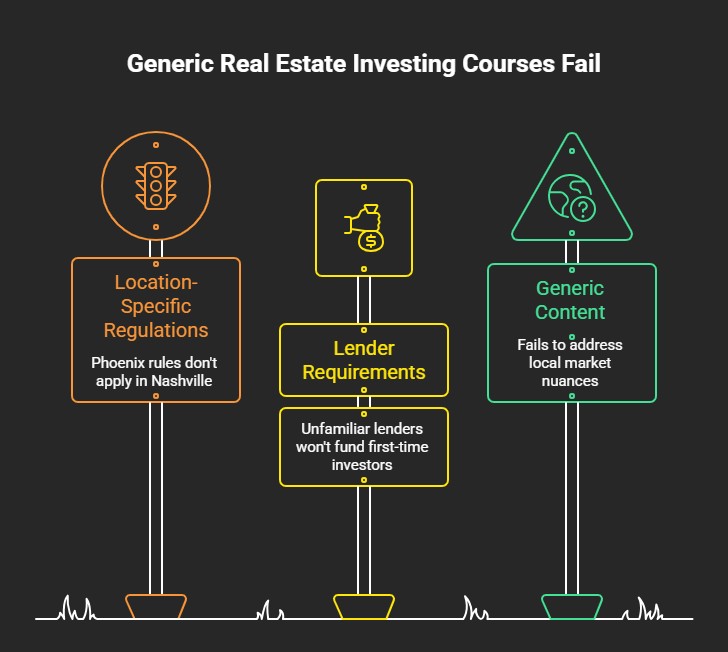
If you have been looking into flipping houses in Nashville, you have already found the formula. Buy low, renovate, sell high. It is on every podcast and in every course, and it is the same three steps whether the house sits in Antioch or Arizona. That is the problem with it.
What it leaves out is everything that actually decides whether you flip houses for profit or just for practice: which Middle Tennessee zip codes still have room to run, which contractors show up when they say they will, which lenders understand a six-month renovation loan instead of trying to sell you a 30-year mortgage, and what a permitting delay in Davidson County costs you per week.

What the National Numbers Don’t Tell You
Flipping has gotten tighter everywhere. Nationally, the average gross profit on a house flip in 2025 sat just under $66,000, with returns falling to their lowest point since 2007 as material costs and purchase prices climbed. Those numbers are worth knowing, but they’re also close to useless for deciding whether a specific house on a specific street in Davidson, Rutherford, or Wilson County is worth your money. National averages flatten out wildly different local conditions, and Middle Tennessee right now is its own animal. Listings have been sitting longer, which means better entry prices for investors who can move fast and underwrite correctly.
Beginners Almost Always Underestimate Hold Costs
If you’re new to this, the renovation budget is rarely where the deal falls apart. It’s the holding costs nobody plans for: three extra months of loan interest because permitting took longer than expected, or a roof issue that only shows up once demo starts. Real estate investing for beginners works best when someone who’s already eaten that cost once tells you where it’s likely to hide on your specific project. That’s not something a YouTube video can do for you. It takes someone who flipped a house two streets over last year and remembers exactly what it cost them.
Flipping Isn’t the Only Way In
Not every deal you find is one you should renovate yourself. Plenty of investors who now flip houses for profit full-time got their start in wholesaling real estate: locking up a contract on an underpriced property and assigning it to a flipper or landlord for a fee, no renovation required. It’s a faster, cheaper way to learn how deals actually get priced in this market before you’re the one holding the renovation risk. A good number of REIN members started exactly there before moving into flips of their own.
Why the Right Network Changes the Math
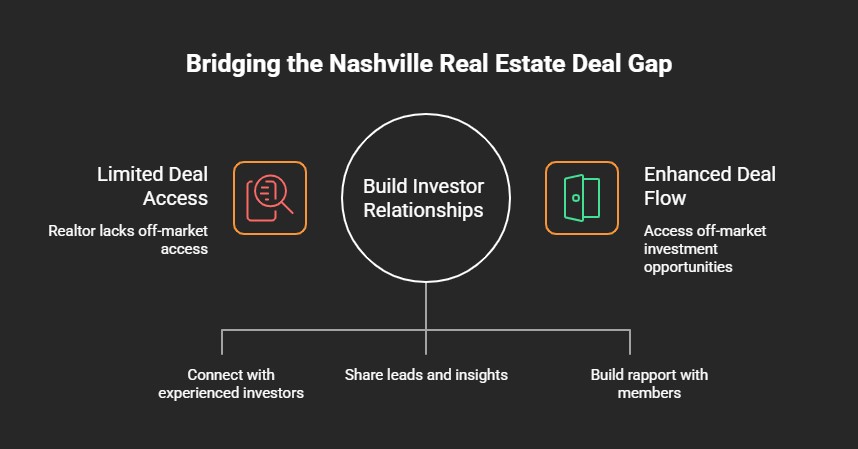
Here’s the thing nobody tells you when you start Googling “real estate investors near me” at midnight: the deals don’t come from more research. They come from people. A contractor who’ll quote you fairly because a mutual connection vouched for you. A private lender who’ll move on a deal in 48 hours because they’ve already funded three other members of your same real estate investing group. That’s what REIN actually is: Tennessee’s largest nationally affiliated real estate investors association, a not-for-profit running since 1980, with more than a thousand members buying, flipping, and managing property across Middle Tennessee right now.
Sometimes the Smartest Move Is Not Selling
Every flipper eventually hits a deal where the math says rental, not resale. Maybe the comps softened mid-renovation, or a duplex in Madison cash-flows better as a long-term hold than it would as a quick sale. Knowing the difference matters, and it’s why a lot of REIN members treat real estate investing and property management as two sides of the same business instead of separate skill sets. The investors who last in this game aren’t married to one exit strategy. They run the numbers both ways on every property and let the property tell them what it wants to be.
Where to Actually Learn to Flip Houses for Profit
REIN runs monthly real estate networking events alongside hands-on training and workshops built by people who are closing deals here, not recycling a system from a different state. National REIA sets baseline standards and resources for groups like this one across the country, but the actual education happens locally, from people who know this market. If you’ve been searching for a real estate investing community that’s specific to Nashville instead of generic advice copied from a national blog, this is it.
Come to an event, ask the flippers in the room what their last deal actually cost them, and decide for yourself if it’s worth joining. Most people who do end up wishing they’d shown up a year earlier.
If you’re serious about learning how to flip houses for profit in Nashville, REIN is where the people already doing it are willing to show you how.