
Ask a few Nashville investors where their best deals came from and you will hear the same answer: not Zillow. Finding off-market investment properties in Nashville comes down to showing up where sellers and deal sources already are, often before a listing sign goes up. Nothing about it is secret. It just takes more legwork than scrolling a feed.
This guide covers the methods that work in Davidson County and the surrounding area, how they compare, and where new investors usually go wrong.

What off-market really means in Nashville
An off-market property is one that is for sale, or could be for the right offer, without being on the MLS. Maybe the owner inherited a house and has no idea what to do with it. Maybe a landlord is tired of managing a duplex. Maybe a wholesaler has it under contract and is quietly looking for a buyer.
Nashville makes this worth the effort. Prices climbed fast over the last decade, and many neighborhoods have owners sitting on equity they never planned to cash out. Some owners may be open to a serious buyer who shows up with a clear, simple offer.
Talk to owners directly
Direct outreach remains one of the most established methods. You pick a neighborhood, build a list of owners who fit your criteria, and contact them by mail, phone or in person. Absentee owners, long-time owners with no mortgage and owners of vacant houses are the usual starting points.
Before calling or texting property owners, check applicable federal and Tennessee telemarketing, do-not-call and consent requirements. Respect opt-out requests and avoid contacting owners who have asked not to be approached.
Expect a low response rate. That is normal. What matters is consistency: the investors who mail the same area every month are the ones who get the call when an owner's circumstances change.
Work with wholesalers, and be a good buyer
Wholesaling real estate usually means a wholesaler finds a discounted property and secures a contractual interest in it, which may be assigned to another buyer for a fee, subject to the contract terms and applicable law. Some transactions use a separate closing structure. If you want an early look at these deals, you need to be easy to work with.
Tell wholesalers exactly what you buy: areas, price range, property type and how fast you close. Wholesalers may prioritize buyers with a reliable closing history, so follow through when a deal fits. Verify the contract and the title situation yourself before you wire anything.
Where to Research Off-Market Properties in Davidson County
Davidson County records are public, and they hold more leads than most people use. The Davidson County Property Assessor lets you look up a property by address, owner or parcel and view ownership, assessed value, sales history and maps. The Davidson County Register of Deeds holds deeds, deeds of trust, liens and plats, so you can trace deed history and see how long an owner has held a property. For zoning and code-violation information, start with Metro Nashville Government and its departments.
Look for out-of-state owners, long ownership, tax delinquency, code violations and probate filings. Each one can signal an owner who may be ready for a conversation. Records show you who to contact, not what that person needs, so go in with questions rather than a pitch.
Let the community bring deals to you

This is the part most beginners skip. Many off-market deals are never advertised. They move from one trusted contact to another, and the people who hear about them first are the ones who are known. A functioning real estate investment community runs on exactly that kind of reciprocity: you help others, share what you see, and opportunities start to circle back.
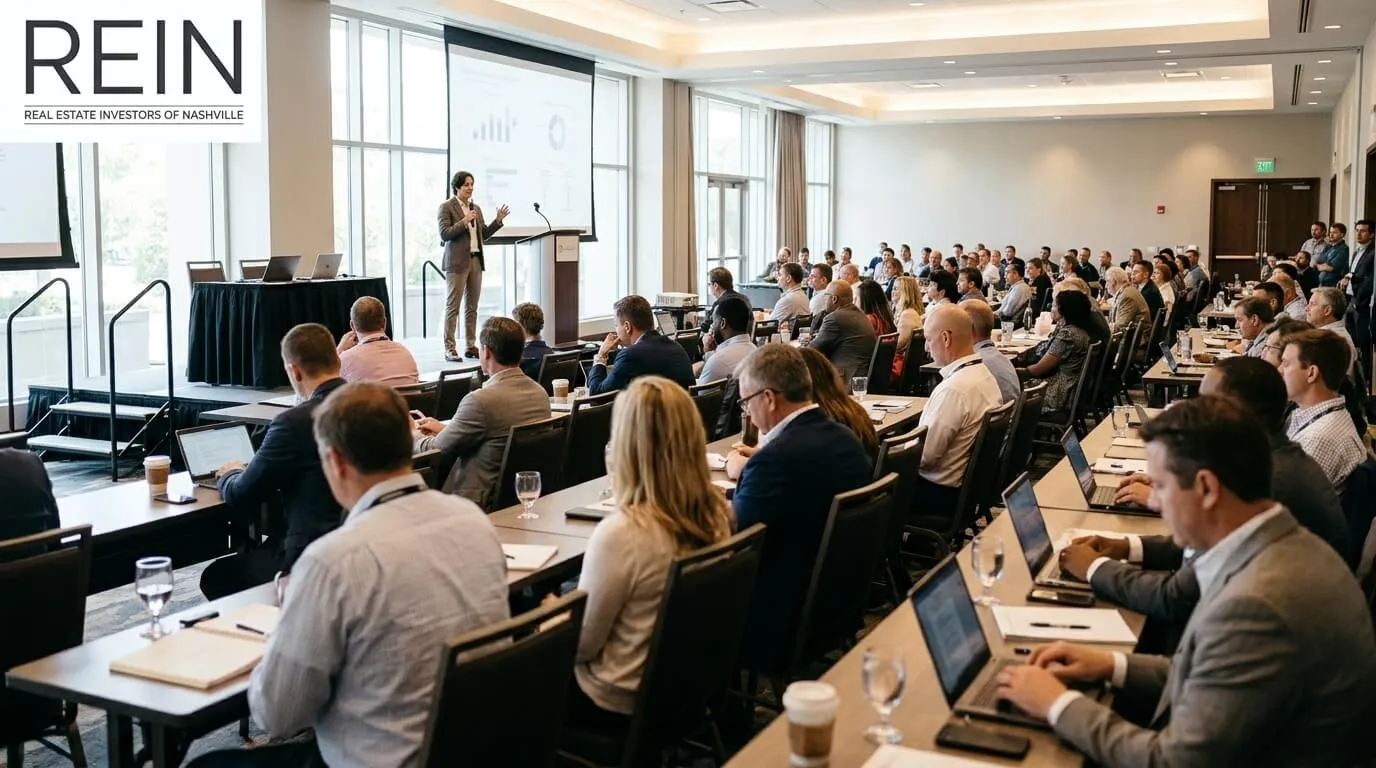
The fastest way to get known is to show up. Local real estate networking events put you in a room with wholesalers, agents, lenders, contractors and experienced investors, who often hear about deals before the public does. Go more than once. Familiar faces get remembered.
How the main methods compare
Every method trades time, money and certainty differently. Here is a quick side-by-side so you can pick a starting point.
| What you’re comparing | Cost | Speed to a deal | Best for |
|---|---|---|---|
| Direct mail and calls | Moderate, mostly postage and list costs | Slow at first, builds over months | Investors who can stay consistent |
| Wholesalers | Low, mostly your time | Faster once you are on a buyers list | Buyers who can close quickly |
| Public records research | Low, mostly your time | Moderate, needs follow-up | Investors who like data and detail |
| Networking and local groups | Low to moderate, dues and event fees | Steady, relationships compound | Anyone, especially new investors |
Most active investors use more than one. A common mix is direct outreach in a single neighborhood, a relationship with two or three wholesalers and regular attendance at local meetings.
Make the first conversation count
When an owner does pick up, resist the urge to talk price right away. Ask about the property, how long they have had it and what they would like to happen next. People tell you what they need if you let them.
Keep notes on every call. A seller who says no in March may say yes in October after a tenant leaves or a repair bill arrives. A simple spreadsheet with the owner, the date and the next follow-up keeps leads from going cold.
Do the math before you make an offer
Off-market does not mean underpriced. Before making a final decision, calculate your expected purchase price, renovation costs, holding expenses, financing costs and potential resale or rental income. Check zoning, permits, liens and title issues, and leave room for unexpected repairs. Run your own comparable sales and get a real repair estimate instead of relying on the seller's or wholesaler's numbers.
Mistakes that cost new investors money
The biggest one is skipping due diligence because a deal feels exclusive. The second is giving up too early. One mailing and two phone calls is not a strategy. Pick a small area, stay in it for several months and track what happens.
The third is going it alone. A real estate investing group gives you people to sanity-check a deal with before you spend money on it.
Frequently asked questions
What does off-market mean in real estate?
An off-market property is one that is for sale, or could be, but is not listed on the MLS or the big listing sites. Buyers hear about it through direct contact with the owner, a wholesaler, an agent's private network or another investor.
Are off-market properties cheaper?
Not automatically. You often face less competition, which gives you room to negotiate, but the owner still wants a fair price. The real advantage is time to run your numbers instead of racing other buyers.
How do I find off-market investment properties in Nashville as a beginner?
Start with two things: research owners in one or two zip codes using Davidson County records, and get in front of local investors at meetings. Both cost little and teach you the market faster than any online tool.
Is wholesaling real estate legal in Tennessee?
It depends on how the deal is structured. Wholesaling can involve different legal requirements depending on whether you're assigning your own contractual interest or acting on behalf of another party. Tennessee investors should confirm current licensing, disclosure and contract requirements with a qualified real estate attorney before proceeding.
Find Off-Market Investment Properties in Nashville With REIN
Building relationships can help you hear about opportunities earlier. Join Nashville’s real estate investors association to meet wholesalers, lenders and fellow investors, and learn how others find off-market investment properties in Nashville. Come to an event, ask questions and start building your network.
Become a Member