


If you've been looking into how to flip houses for profit in Nashville, you've already found the formula. Buy low, renovate, sell high. It's on every podcast and in every course, and it's the same three steps whether the house sits in Antioch or Arizona. What that formula leaves out is everything that actually decides whether you flip houses for profit or just for practice, which Middle Tennessee zip codes still have room to run, which contractors show up when they say they will, which lenders understand a six-month renovation loan instead of trying to sell you a thirty-year mortgage, and what a permitting delay in Davidson County costs you per week.

What the National Numbers Don't Tell You
Flipping has gotten tighter everywhere. Nationally, average gross profit on a house flip has been running just under $70,000, with returns sitting at their lowest point in years as material costs and purchase prices climb. Those numbers are worth knowing, but they're also close to useless for deciding whether a specific house on a specific street in Davidson, Rutherford, or Wilson County is worth your money. National averages flatten out wildly different local conditions, and Middle Tennessee right now is its own animal. Listings have been sitting longer, which means better entry prices for investors who can move fast and underwrite correctly.
Where the Real Money Gets Made or Lost
The purchase price gets most of the attention, but the renovation budget is where flips actually go wrong. Underestimating the rehab budget is the most common mistake we see, usually because a beginner priced the visible cosmetic work but missed what's behind the walls. The second most common mistake is buying based on a number a course or a video quoted for a completely different market. A house that pencils out in Ohio doesn't automatically pencil out in Nashville, and the investors who flip houses for profit consistently are the ones who learned the local numbers before making an offer, not after.
Here's how flipping compares to wholesaling, since a lot of first-time investors weigh the two before deciding where to start.
| What you're comparing | Flipping | Wholesaling |
|---|---|---|
| What you're buying | A house you'll renovate and resell | A contract you'll assign to someone else |
| Capital needed | Purchase price plus a renovation budget | A small earnest money deposit |
| Time in the deal | A few months from purchase to resale | Days to a few weeks |
| Main skill | Estimating repairs and managing a renovation | Finding deals and building a buyer list |
| Typical profit | The spread between purchase, repair, and resale price | An assignment fee agreed with the buyer |
| Main risk | Repair costs and holding costs running over budget | Not finding a buyer before your contract deadline |
Timeline Mistakes Cost More Than People Expect
Permitting delays, contractor scheduling, and material lead times all stretch a project longer than a beginner usually plans for, and every extra month on a flip is another month of holding costs eating into the margin. None of this means flipping is a bad strategy. It means the investors who do it well have usually already sat through someone else's timeline overrun before attempting their own, which is a large part of why showing up to a room full of active flippers matters more than another course.
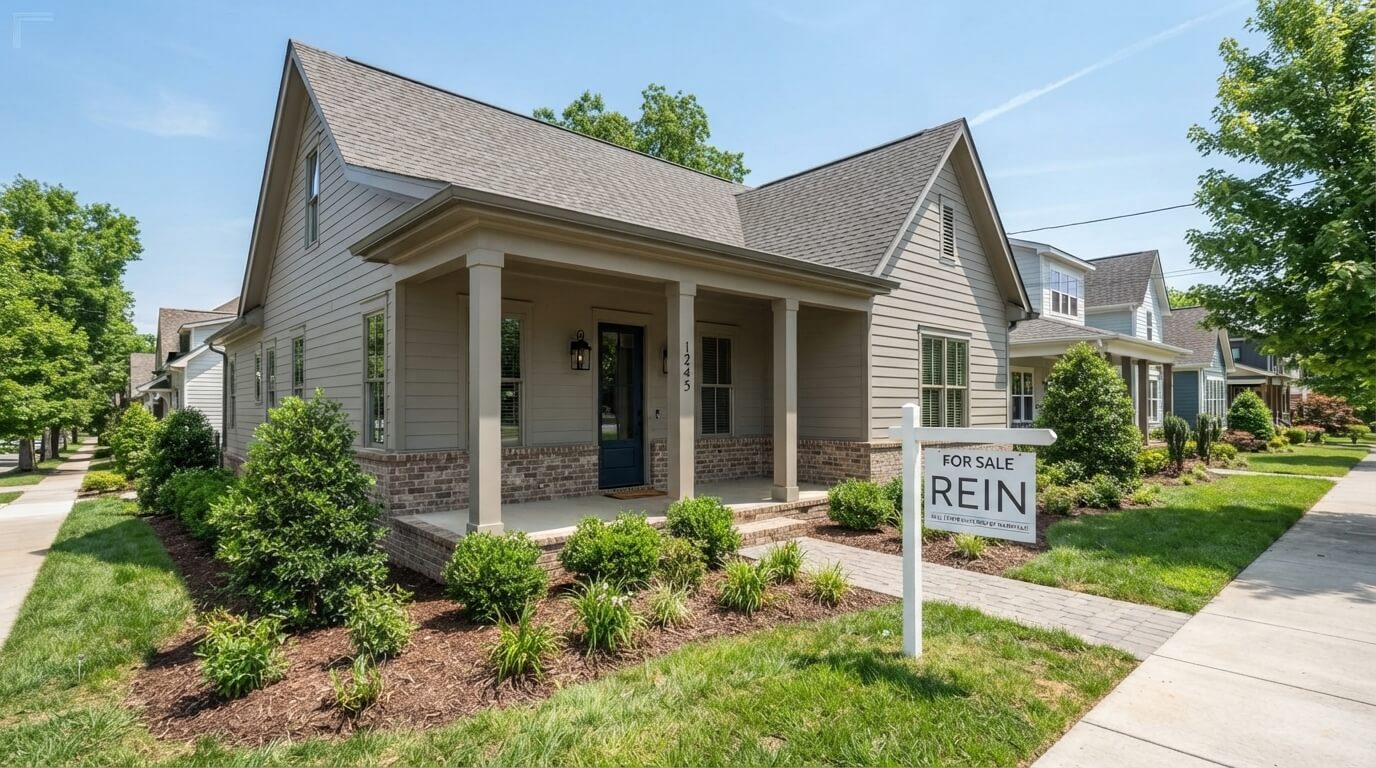
Financing a Flip the Right Way
Most flips are not financed with a conventional thirty-year mortgage. Hard money and short-term renovation loans are built around a six to twelve-month hold, priced and structured differently from a loan meant to be paid down over decades, and a lender who understands that difference will structure your terms around the actual timeline of the project rather than forcing your deal into a product that doesn't fit it. Vetted lenders who already work with active flippers are one of the practical reasons members mention REIN's vendor network specifically, rather than searching for financing cold.
Managing the Project Once You're In It
A healthy flipping business rarely runs on hope that the contractor shows up on schedule. Project management, contractor relationships, and timeline discipline matter as much as the purchase price once you're past closing, and the investors who treat a flip as a managed project rather than a weekend hobby are the ones whose numbers hold up at resale.
Insurance is another line item beginners forget to budget until the first quote arrives. A vacant property under renovation needs a builder's risk policy, not a standard homeowner's policy, and the gap between assuming you're covered and actually being covered only shows up the day something goes wrong, a fire, a break-in, a contractor injury on site. It's a small cost relative to the purchase price, but it's the kind of detail a course glosses over and a room full of active flippers will mention within the first ten minutes of a conversation.
Exit strategy matters more than people assume going in. Most flips are underwritten around a straight resale, but a soft month on the market can turn a planned three-month hold into six, and every one of those extra months is holding costs against a fixed loan term. Building a small buffer into your numbers for a slower resale, and knowing in advance whether you'd rent the property out rather than drop the price sharply, is the difference between a flip that survives a slow market and one that gets sold at a loss just to stop the bleeding.
Learning the Local Market Before You Make an Offer
Cash flow versus appreciation, the difference between a hard money loan and a conventional one, and what a realistic after-repair value actually looks like on a Nashville property rather than a national average, these are the concepts that come up in nearly every deal conversation. Skipping past them to get to the exciting part, the flip itself, is where most beginners lose money they didn't need to lose. Our guide on how to learn real estate investing in Nashville goes deeper on the concepts worth knowing before your first offer.
Where to Actually Learn to Flip Houses for Profit
REIN runs monthly real estate networking events alongside hands-on training and workshops built by people who are closing deals here, not recycling a system from a different state. National REIA sets baseline standards and resources for groups like this one across the country, but the actual education happens locally, from people who know this market. If you've been searching for a way to flip houses for profit that goes beyond a generic course, a REIN meeting is a better starting point than another video.
Confirm any contractor's license status against the Tennessee Real Estate Commission before hiring for licensed trade work, and treat a first flip as an education you're paying for as much as a profit you're chasing. The investors who stick around long enough to flip houses for profit consistently are almost always the ones who took the first one seriously as a learning exercise.
FAQ
How much profit can you make when you flip houses for profit in Nashville?
Nationally, gross profit on a house flip has been running under $70,000 on average, with margins tightening as material and purchase prices climb. A specific Nashville property can sit well above or below that depending on the street, the purchase price, and how tightly the renovation budget is run.
What is the biggest mistake beginners make when flipping?
Underestimating the rehab budget. Most beginners price the visible cosmetic work but miss what's behind the walls, and a number pulled from a video about a different market rarely holds up once you're standing in a Nashville house.
Do I need a contractor's license to flip houses in Tennessee?
No, provided you are hiring licensed contractors for work that legally requires a license and are not performing that licensed work yourself. Most investors manage the project and hire out the specialised trades.
How long does a typical flip take from purchase to resale?
It varies by scope, but permitting delays, contractor scheduling, and material lead times routinely stretch a project past the timeline a beginner first budgets for, and every extra month adds holding costs that eat into the margin.
Is flipping still worth it in the current Nashville market?
Listings have been sitting longer in Middle Tennessee recently, which has meant better entry prices for investors who can move fast and underwrite correctly, even as national flipping margins have tightened.
Ready to Flip Houses for Profit in Nashville?
Come to a REIN meeting, meet active flippers, and learn what the local numbers actually look like.
Become a Member