

The same house can be a great investment in one part of town and a poor one a few miles away. Learning to evaluate Nashville neighborhoods is one of the most valuable skills a property investor can build, because location shapes rent, resale value, vacancy and risk. This guide shows you a practical way to judge a neighborhood before you buy.
It is general education, not financial advice. Verify details yourself and consult qualified professionals before you commit funds.
Start with your strategy
The best neighborhood depends on what you plan to do. A buy-and-hold landlord wants steady tenant demand and manageable costs. A flipper wants strong resale prices and quick sales. Someone wholesaling wants areas with active buyers.
Write down your goal first. It gives you a clear standard for judging each area, instead of chasing whatever looks popular.
Look at demand and who lives there
Demand shows up in who wants to live or buy in the area. Look at employers nearby, public transit, schools, shopping and daily conveniences. Areas close to jobs and amenities often attract steady renters and buyers.
Public data helps. The U.S. Census Bureau QuickFacts offers population, income and housing figures for local areas. Use it to understand the typical household, how many people rent and how the area is changing.
Check prices, rents and trends
Compare recent sale prices and rents across several streets, not just one listing. Look at how long homes take to sell and whether prices are rising, flat or falling. Ask local property managers what similar units actually rent for.
Be careful with neighborhoods that are hot right now. Fast growth can mean opportunity, but it can also mean that prices have already moved ahead of rents. Run the numbers on today's price, not tomorrow's hope.
Compare neighborhood types
| Neighborhood type | Typical strengths | Typical risks | Often suits |
|---|---|---|---|
| Established and stable | Steady demand and predictable resale | Higher prices and tighter returns | Long-term rental investors |
| Up and coming | Room for growth and lower entry prices | Uncertain trends and slower early demand | Investors who can wait |
| Value-oriented | Lower prices and potentially stronger cash flow | Higher repair needs and tenant turnover | Hands-on or experienced investors |
| High-demand urban core | Strong rental interest and visibility | Higher costs and more competition | Investors with larger budgets |
No category is automatically best. Match the area to your strategy, your budget and your tolerance for risk.
Walk and drive the area yourself
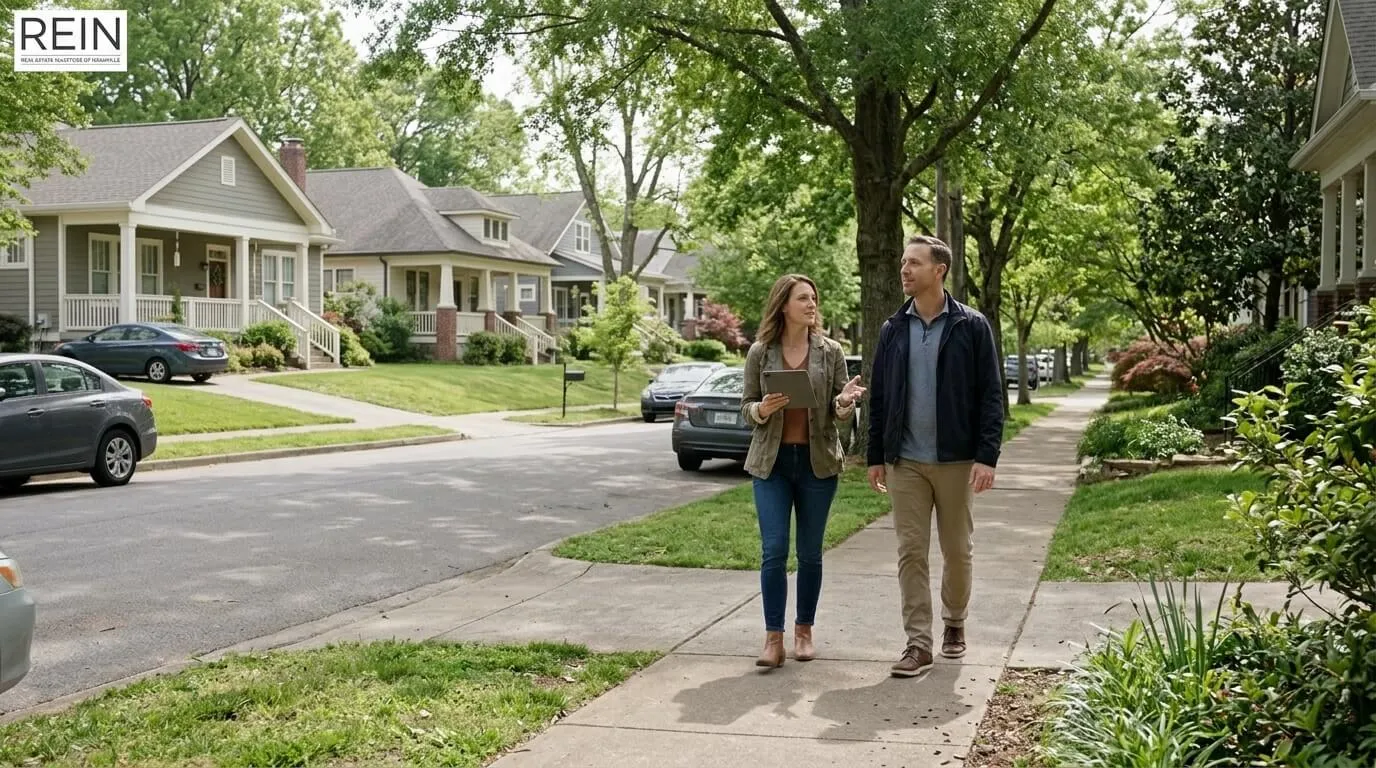
Data only tells part of the story. Visit at different times of day and on different days. Notice the condition of homes, the amount of street parking, noise and how people use the area. Talk to residents if the chance comes up.
A property can look perfect online and feel completely different in person. Your own eyes will catch things a spreadsheet misses.
Research risks and regulations
Check whether the property sits in a flood zone using the FEMA Flood Map Service Center. Review taxes and sales history through the Davidson County Property Assessor, and confirm local rules for rentals and renovations before you buy.
Look into planned development, road projects and zoning changes. These can raise value, or they can bring noise and disruption. Public records and local news will often show what is coming.
Look at the age and condition of the homes
Housing stock tells you what ownership will feel like. Older homes may bring charm and lower prices, but they can also bring aging roofs, plumbing and electrical systems. Newer construction may cost more up front but need less maintenance in the early years.
Walk a few streets and note the general upkeep. Well-kept yards and recent renovations suggest owners are investing in the area. Boarded windows and long-vacant buildings deserve a closer look.
Factor in insurance and ongoing costs
Costs differ by location. Property taxes, insurance premiums and utility expenses can vary from one area to the next, and they change your cash flow. Get real insurance quotes early and ask about any special requirements, so the numbers you use are the numbers you will pay.
Think about tenants and exit options
Ask who will rent or buy the property and whether that group is likely to stay. A neighborhood with steady, varied demand gives you more ways out if plans change. Narrow demand can leave you stuck.
Before you buy, imagine how you would sell the property in five or ten years. If you cannot picture who the buyer would be, think again.
Ask local investors
Experienced investors know things no report will tell you, such as which streets rent quickly or where contractors are hardest to find. Bring your shortlist to real estate networking events and ask what they see on the ground.
A strong real estate investment community also helps you hear different opinions, which makes your own judgment better. Many Nashville investors say these conversations helped them avoid costly errors.
Score each neighborhood
Create a simple scorecard with the factors that matter to you, such as demand, rents, prices, condition, risk and exit options. Rate each area from one to five and add up the totals. It turns a messy decision into a fair comparison.
Update the scorecard as you learn. Over time, it becomes a personal guide that helps you move quickly when a good property appears.
Avoid common mistakes
Common errors include buying based on hype, ignoring rents, skipping a visit and assuming appreciation will fix a weak deal. Another is falling for a single neighborhood without comparing it with alternatives.
Take your time. A careful search almost always beats a quick one. Compare at least three neighborhoods side by side, revisit your top choice at a different time of day and sleep on the decision before you make an offer. The few extra weeks cost little compared with a purchase you regret for years.
Frequently asked questions
How do I evaluate a neighborhood for real estate investing?
Match the area to your strategy, then study demand, prices, rents, trends and risks. Visit in person and confirm what you find with local investors and public records.
What makes a good rental neighborhood?
Steady tenant demand, access to jobs and amenities, reasonable property conditions and manageable costs. The right mix depends on your goals.
Should I buy in an up-and-coming neighborhood?
It can offer growth, but it also carries uncertainty. Run your numbers on today's reality and make sure the deal works even if growth is slower than hoped.
Where can I find neighborhood data?
Public sources such as the U.S. Census Bureau, the Davidson County Property Assessor and FEMA offer useful information, and local investors can add context.
Evaluate Nashville Neighborhoods With Local Investors at REIN
The best way to evaluate Nashville neighborhoods is to learn from people who invest in them. Join REIN, bring your shortlist to an event and get honest, local feedback.
Become a Member