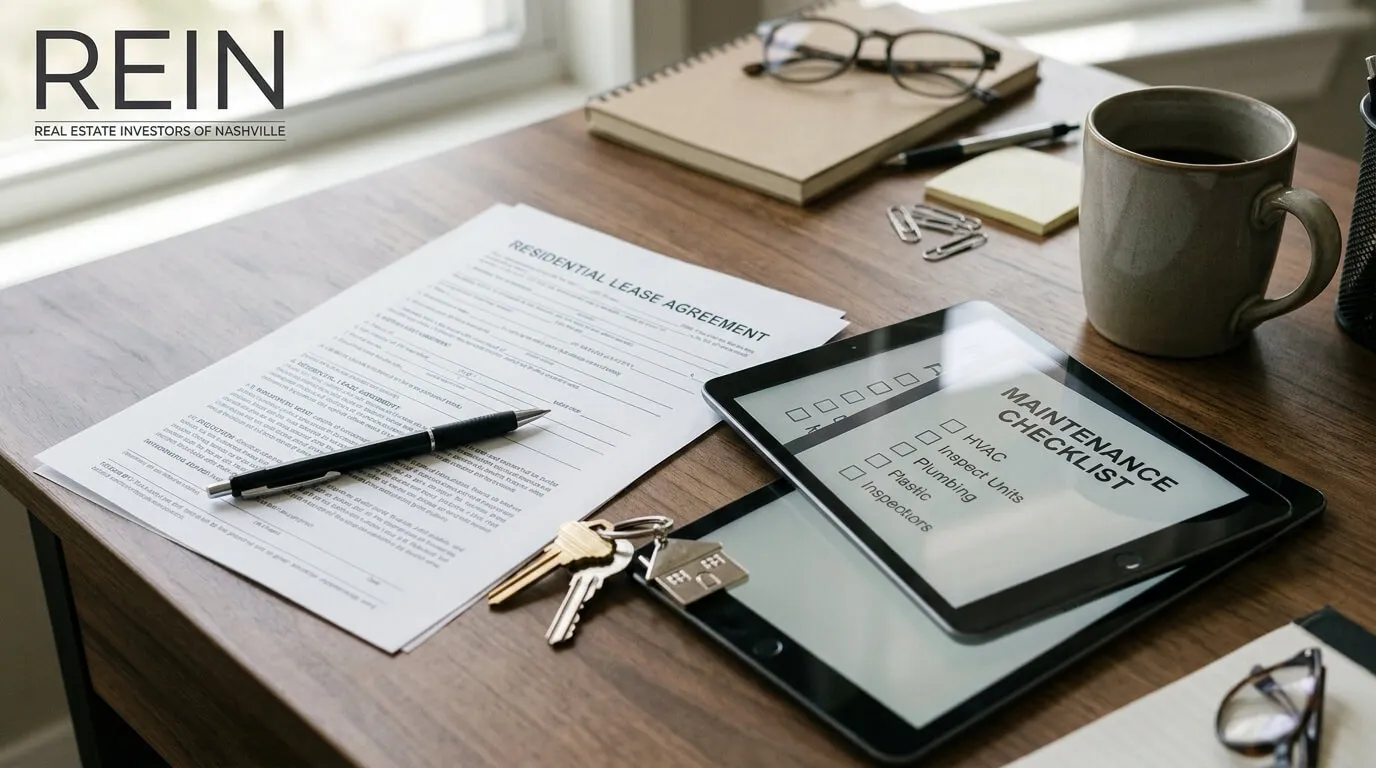


Acquisition gets most of the attention in real estate investing and property management conversations, but management is what actually determines whether a rental builds wealth or quietly drains it. A property bought at a great price can still lose money for years if tenant screening, lease terms, and rent collection aren't handled with the same rigor that went into finding the deal in the first place.

Tenant Screening: The First and Most Important Filter
A credit check alone tells you very little about whether a specific applicant will be a reliable tenant. Verify income directly against the rent amount, a common standard is income at roughly three times monthly rent, and contact previous landlords directly rather than relying solely on references the applicant chose to provide. A background check applied consistently to every applicant, using the same criteria every time, protects you both practically and legally under fair housing requirements.
It is worth treating a rejected applicant with the same consistency as an approved one. Document the specific reason for a denial, tied to your stated screening criteria, rather than a vague or undocumented decision. This protects you if a denial is ever questioned, and it forces a discipline that tends to produce better tenant selection overall, since criteria applied consistently are harder to apply carelessly.
Lease Terms That Prevent Future Disputes
Most landlord-tenant disputes trace back to ambiguity in the lease itself rather than genuine bad faith on either side. Clear language on who handles which maintenance responsibilities, how repair requests should be submitted and how quickly they'll be addressed, late fee terms, and pet policy if applicable, closes off the most common sources of disagreement before they start. Tennessee landlord-tenant law sets the baseline requirements, but a well-written lease goes further than the legal minimum to prevent confusion.
Here's a simple checklist covering the core areas of a solid property management process.
| Area | What to Have in Place |
|---|---|
| Tenant Screening | Income verification, previous landlord contact, consistent background check criteria |
| Lease Terms | Clear maintenance responsibilities, repair process, late fees, pet policy |
| Rent Collection | A consistent, documented payment method with a clear paper trail |
| Maintenance | A responsive process and a reliable contractor list ready before issues arise |
| Recordkeeping | Documentation of every communication, payment, and repair request |
A move-in and move-out inspection, documented with photos and a signed checklist, protects both landlord and tenant when it comes time to return or withhold a security deposit. Skipping this step is one of the more common ways a otherwise straightforward tenancy ends in a dispute, simply because neither party has a clear, agreed-upon record of the property's condition at the start.
Rent Collection Without the Awkward Conversations
Using a consistent, documented rent collection method, ideally an online payment system rather than cash or informal checks, removes ambiguity about what was paid and when. This matters most when a dispute eventually arises, since a clear digital paper trail resolves a disagreement about a missed or late payment far faster than relying on memory or informal notes. REIN members who manage rentals consistently point to this as one of the simplest, highest-leverage changes a new landlord can make.
Maintenance: Reactive Versus Proactive
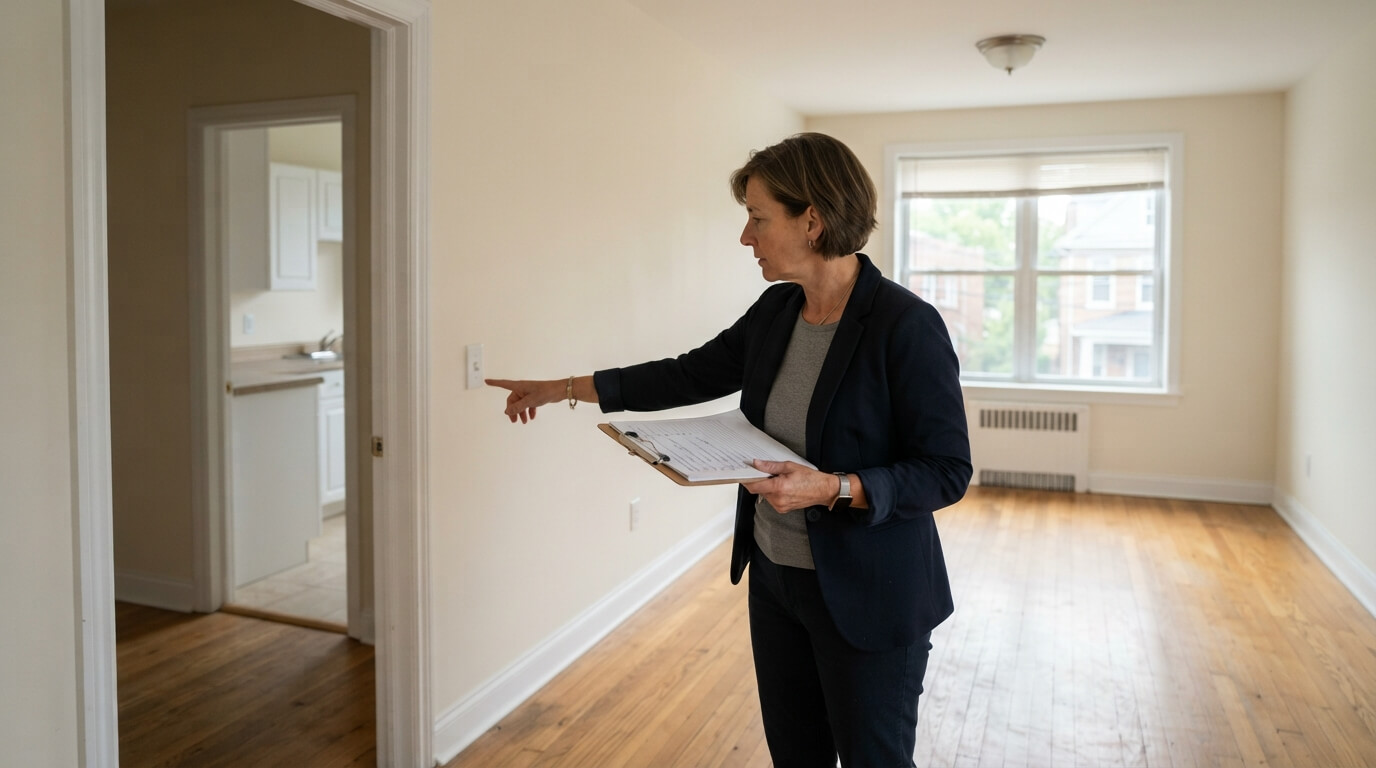
A reactive approach, waiting for a tenant to report a problem before addressing it, tends to cost more over time than a proactive one, regular inspections and preventive maintenance that catches small issues before they become expensive ones. Project management, contractor relationships, and timeline discipline matter as much in ongoing property management as they do during an initial renovation, and having a vetted contractor list ready before an emergency arises saves both time and money when something does go wrong.
A simple quarterly walkthrough, even a brief one, tends to catch small maintenance issues, a slow leak, a failing appliance, before they turn into a costly repair or a tenant complaint. Landlords who only visit a property when something is already broken consistently spend more over time than those who build a modest inspection routine into their management process.
Why Management Is the Missing Link in Most Portfolios
Some of REIN's members flip houses for profit, buying distressed properties, renovating them, and selling into a strong resale market. Others build long-term wealth through rental portfolios, which makes property management a daily operational reality rather than a one-time consideration. Whichever strategy applies to you, treating management with the same seriousness as acquisition is what separates a portfolio that compounds wealth from one that just accumulates properties and problems in equal measure.
None of this requires hiring a professional property manager immediately. Many investors start by self-managing a single property, building the habits and systems described here, before eventually scaling into professional management as a portfolio grows past what they can reasonably handle directly. The habits matter more than who is executing them.
FAQ
How thoroughly should I screen a tenant before signing a lease?
Beyond a credit check, verify income against the rent amount, contact previous landlords directly, and run a background check consistent with fair housing law, applied the same way to every applicant.
What should a Tennessee lease include beyond the basic rent terms?
Clear language on maintenance responsibilities, the process for repair requests, late fee terms, and pet policy if applicable, since ambiguity here causes most landlord-tenant disputes.
How should I handle rent collection to avoid disputes?
Use a consistent, documented method, ideally an online payment system, so both parties have a clear record of what was paid and when.
What is the biggest property management mistake new landlords make?
Underestimating how much active management a rental actually requires, and not budgeting time or money for maintenance and tenant communication beyond simply collecting rent.
Should I self-manage or hire a property manager?
It depends on your available time, portfolio size, and comfort handling tenant issues directly. Many members start self-managing a single property before scaling into professional management.
Ready to Improve Your Property Management Process?
Connect with REIN members who manage rentals and learn what actually works.
Become a Member